
Plackets, pinstripes and twill
Baseball: the sport where tradition is a specification
Baseball is the one sport we make for where the look is not a matter of taste but of type. A full-button placket, a two-button, a V-neck and a pullover are four different garments with four different histories, and a program usually knows which one it wants before it knows anything else.
It is also the sport most likely to want stitched numbering rather than printed, which changes the fabric conversation completely.
Why baseball resists the modern default
Most of what we make has moved to sublimation because it is lighter, cheaper at multiple colours and cannot peel. Baseball has partly stayed with twill and heavier fabrics, and it is not nostalgia: a stitched number survives a slide and can be replaced when it does not, and a mid-weight interlock holds a flat colour more evenly than a light mesh.
Pinstripes are the other giveaway. Printed onto a garment they are perfectly straight and slightly wrong; woven or sublimated onto cut panels they meet correctly at the side seam, which is the detail that separates a uniform from a replica.
For programs that want the traditional read without the weight, the usual compromise is a sublimated body with stitched numbers, which our page on layered twill lettering stitched to the garment sets out in full.
Where a baseball uniform diverges from the rest
Six specification points particular to baseball and softball.
- Pants
- The hardest garment in the whole range to get right. Knee and seat take the abrasion of every slide, and that is where reinforcement goes or where the pants fail.
- Cut options
- Knicker and full-length from the same pattern, because a squad will want both and they should look like they came from the same place.
- Placket
- Full-button, two-button and pullover are three different constructions, not three finishes. The choice is made at pattern stage.
- Fabric
- Heavier than the indoor sports and specified for abrasion first. This is the sport where a garment meets the ground on purpose.
- Lettering
- Tackle twill remains a real request here in a way it does not elsewhere, and it is a different process from sublimation with different lead times.
- Jerseys per player
- Usually more than one, because the schedule is dense and a uniform that goes into the dirt on Tuesday has to be clean on Wednesday.
Why the pants decide the order
In most sports the jersey is the garment people judge and the shorts are an afterthought. Baseball reverses that. A program will tolerate a plain jersey and will not tolerate pants that split at the seat in week three, because that failure is public, immediate and expensive to replace mid-season.
So the pants are where the specification argument happens: fabric weight, reinforcement at the knee and seat, the seam construction through the seat, and whether the cut is knicker or full-length. Get those right and the rest of the uniform is comparatively easy.
It is also why we will not quote baseball pants against a general apparel fabric. The saving is real and it is spent again in the first month of a season, which is the same reasoning we set out in the fabric guide.
Softball is not a smaller version of it
Softball uniforms are frequently ordered as "the same thing in women's sizes", and that is where the fit complaints come from. The cut is different through the shoulder and the body, and grading a men's pattern down does not produce a women's garment — it produces a small men's garment with a women's label on it.
We pattern the two separately. It is more work at setup and it is the difference between a squad that wears the uniform and a squad that alters it.
What we make for baseball
Each of these is a cross-sport page — the same garment as we build it for every sport, with the baseball products listed inside it.
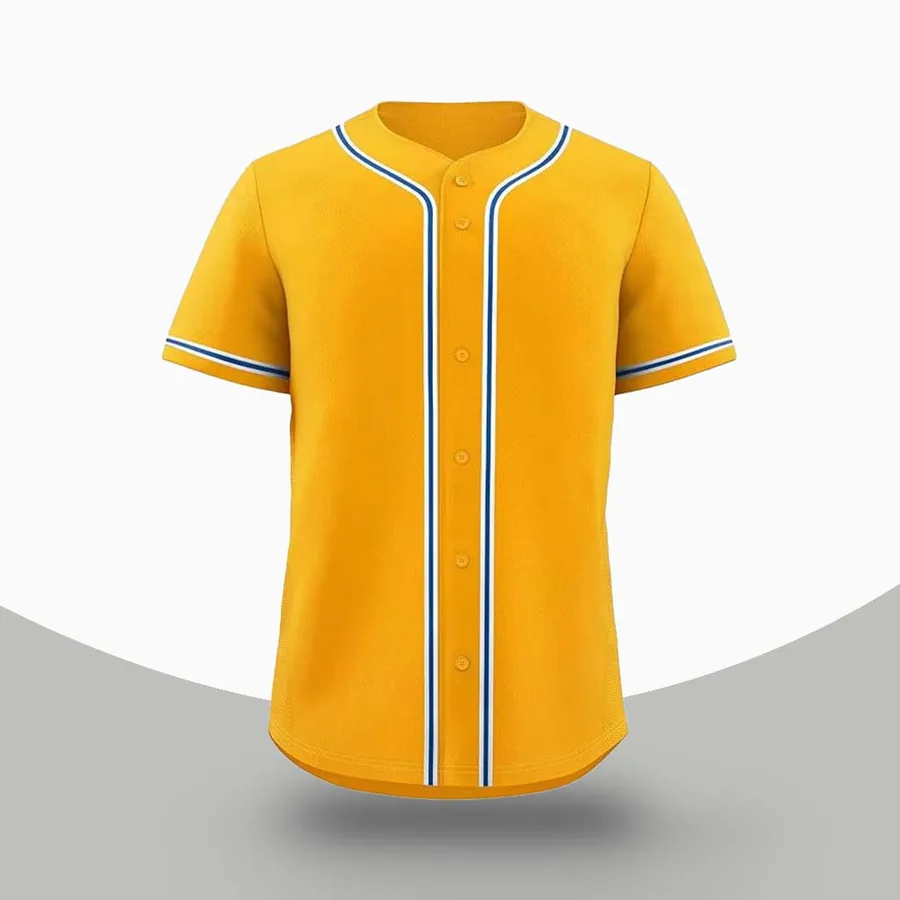
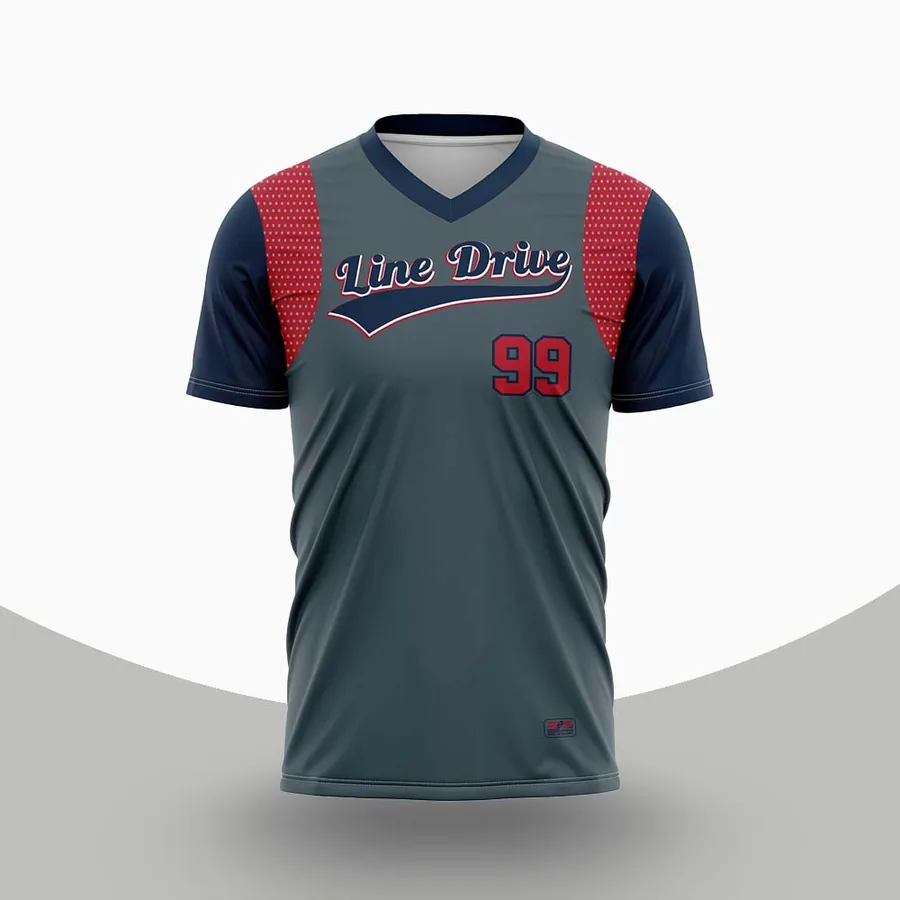
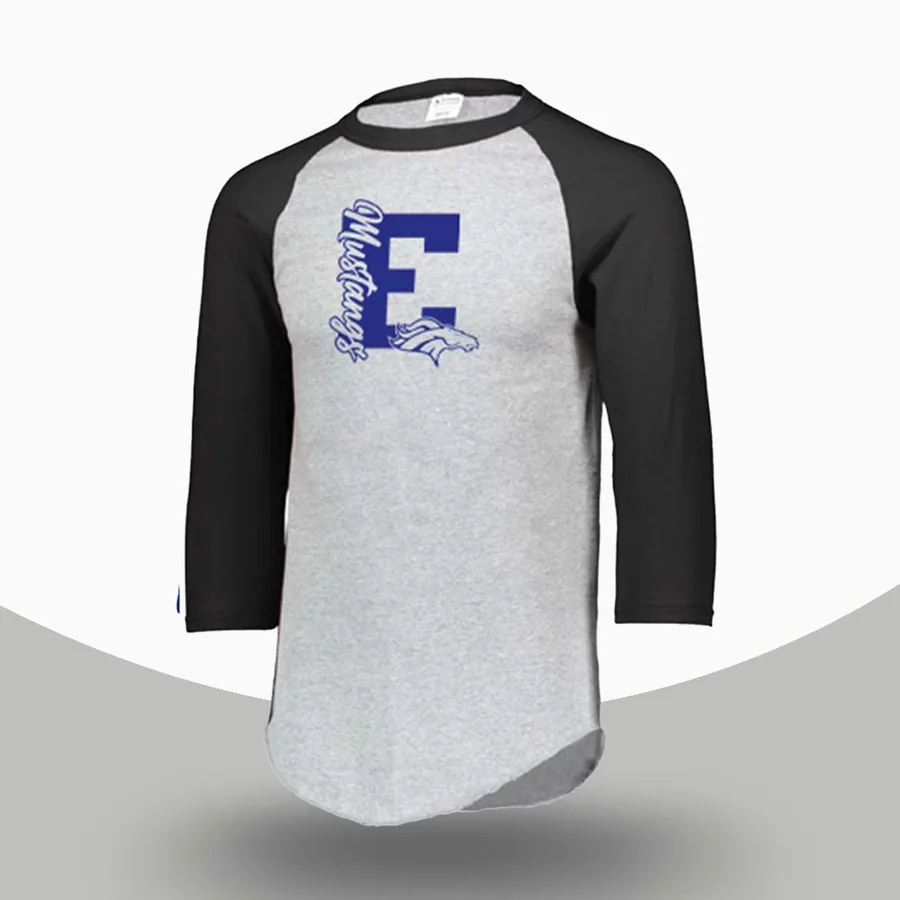
Baseball kit in other colourways
The same baseball garments made up in different colours. Yours is produced to your own design.
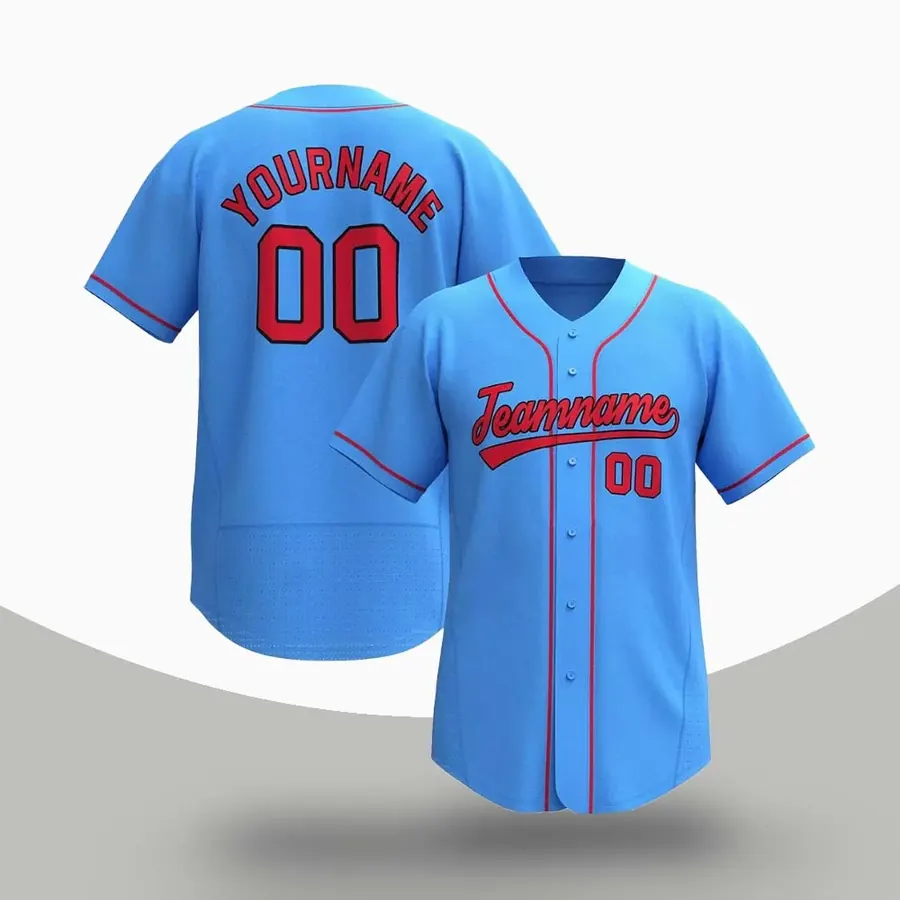
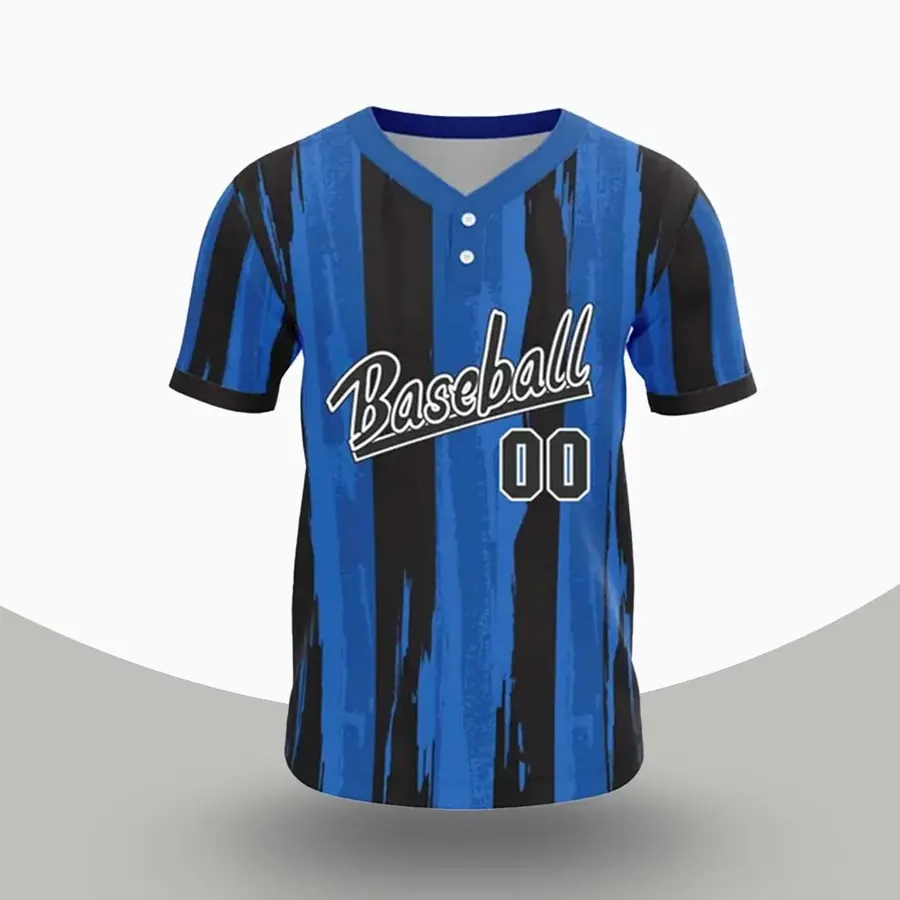
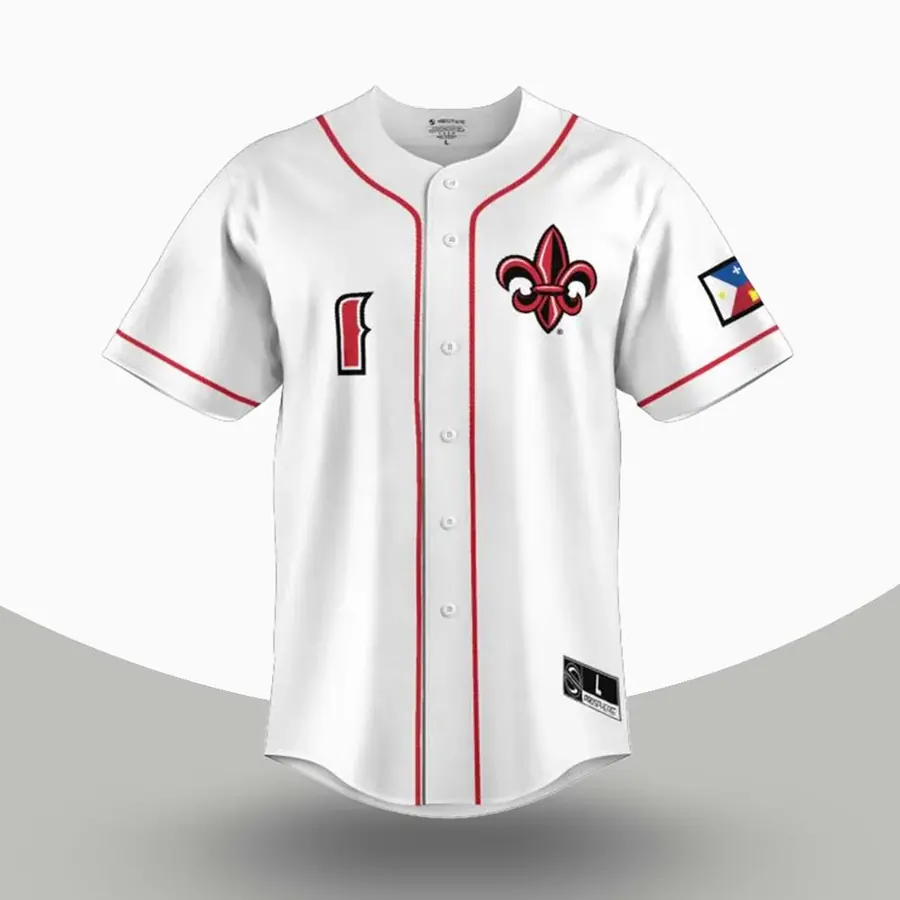
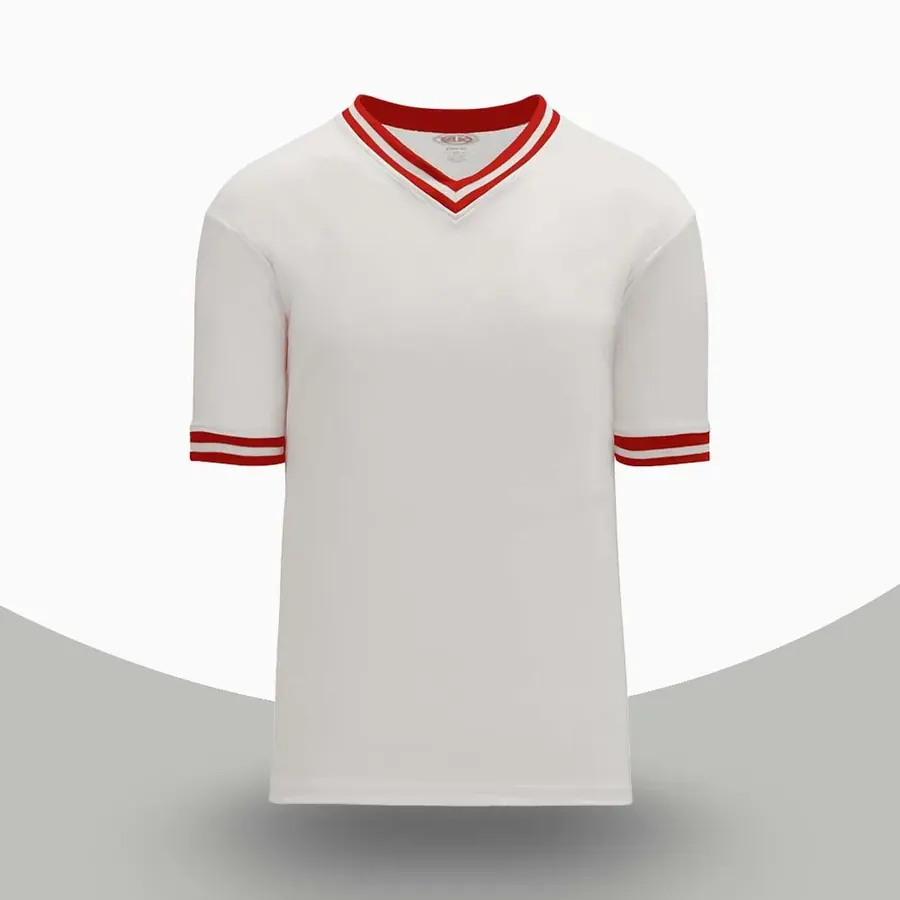
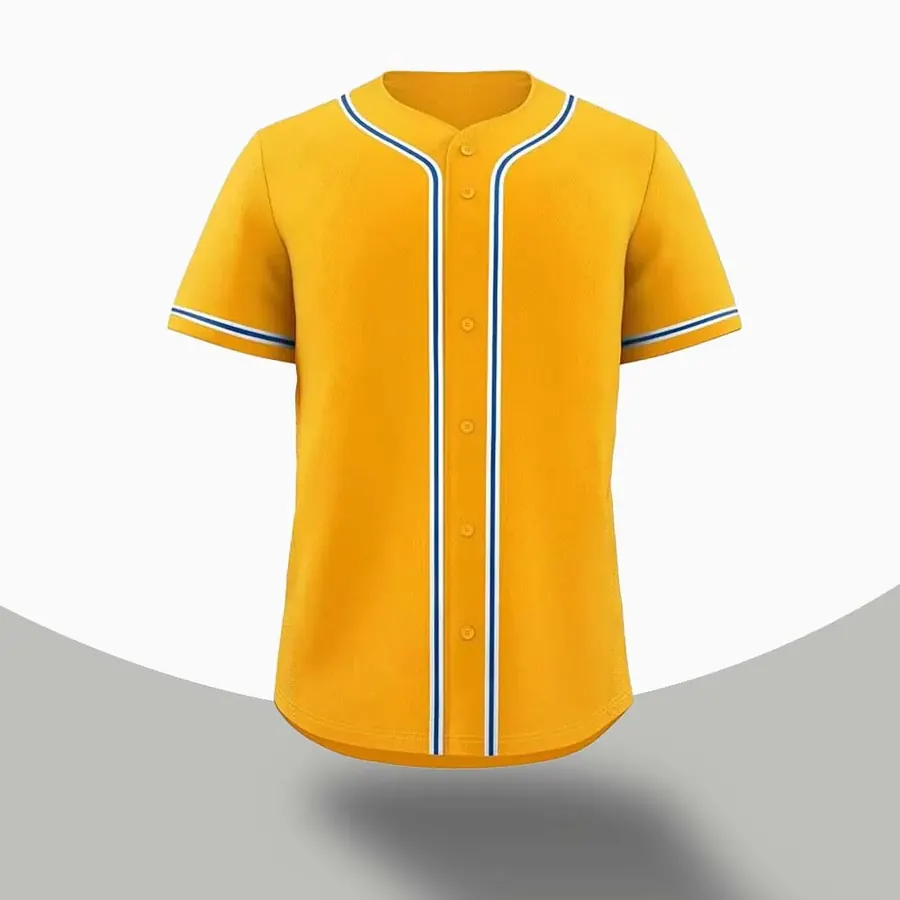
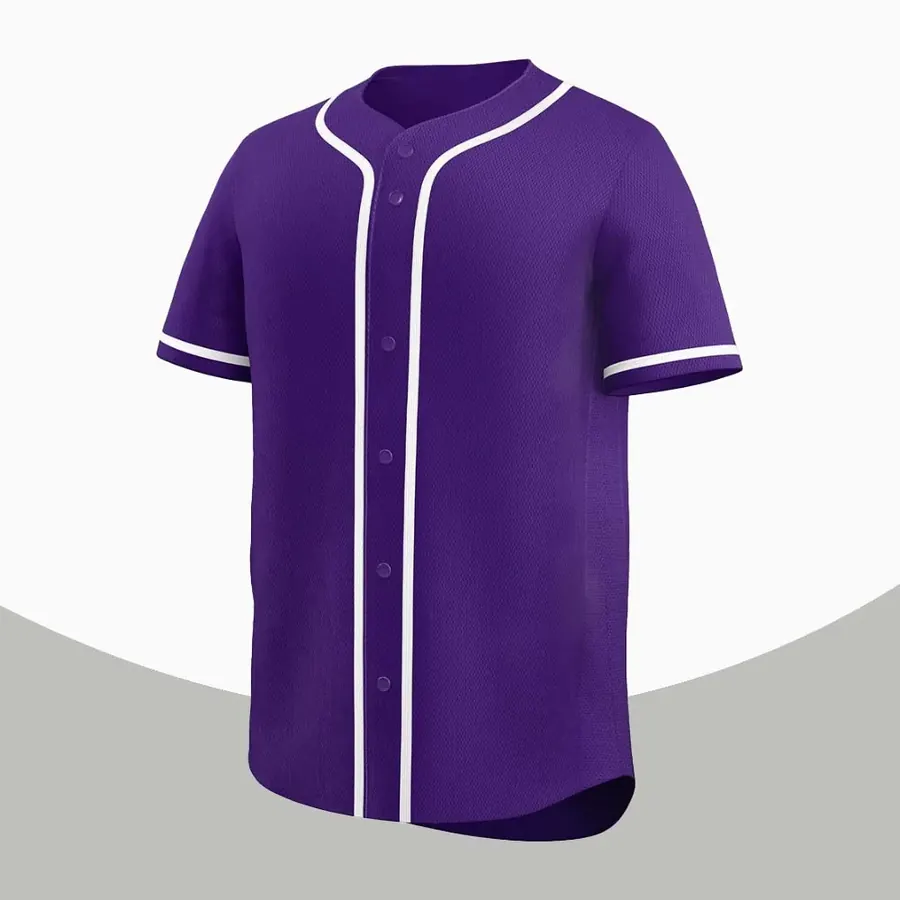
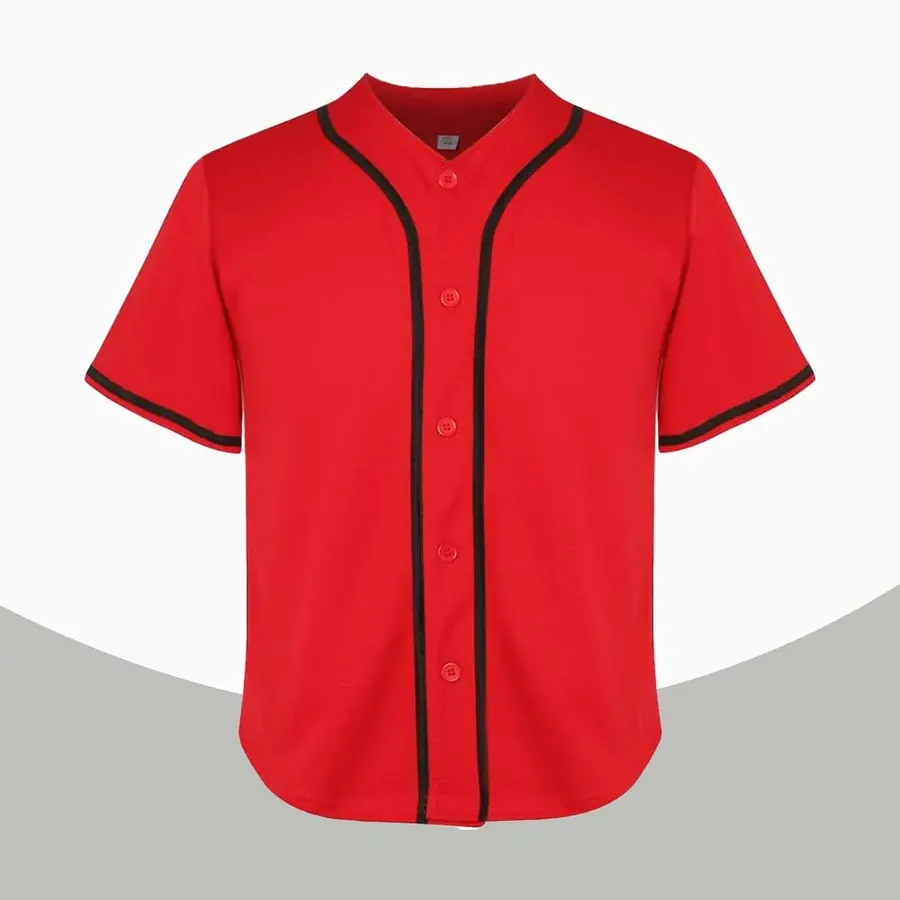
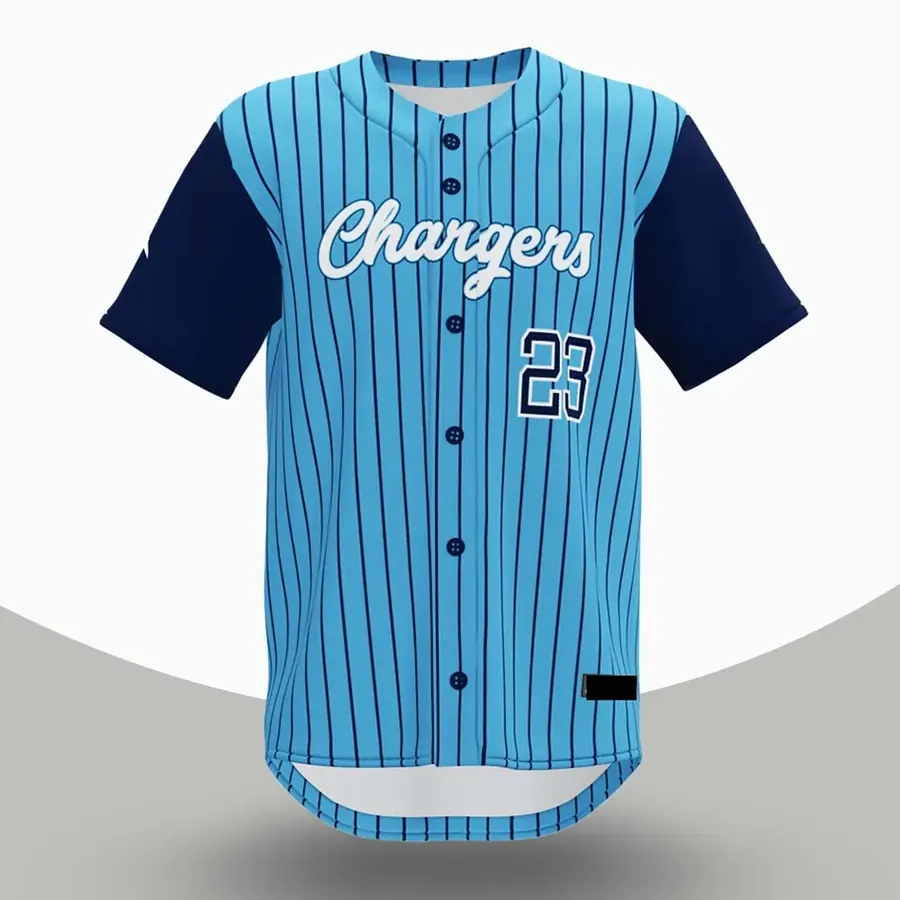
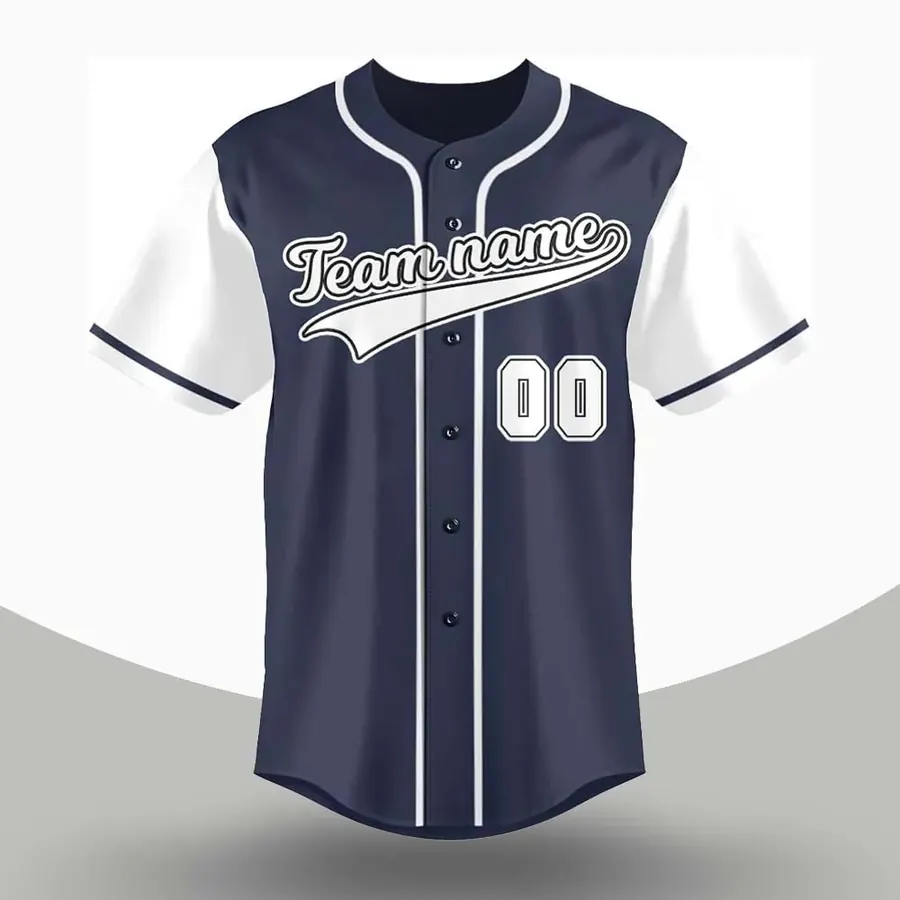
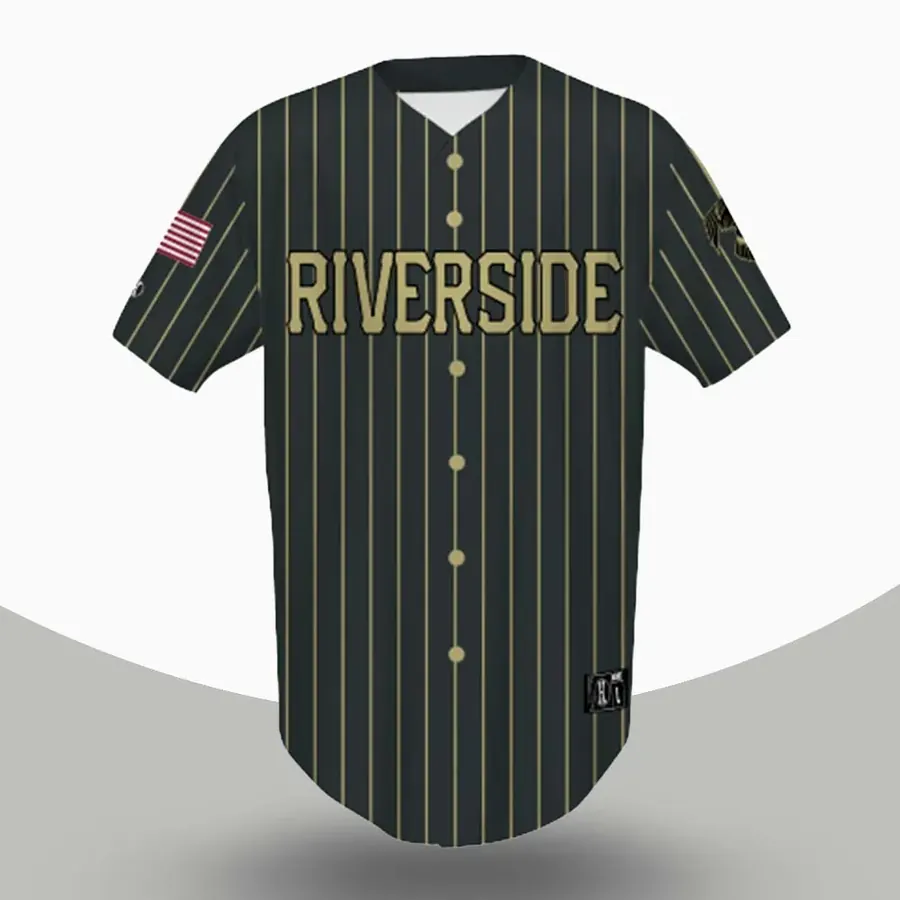
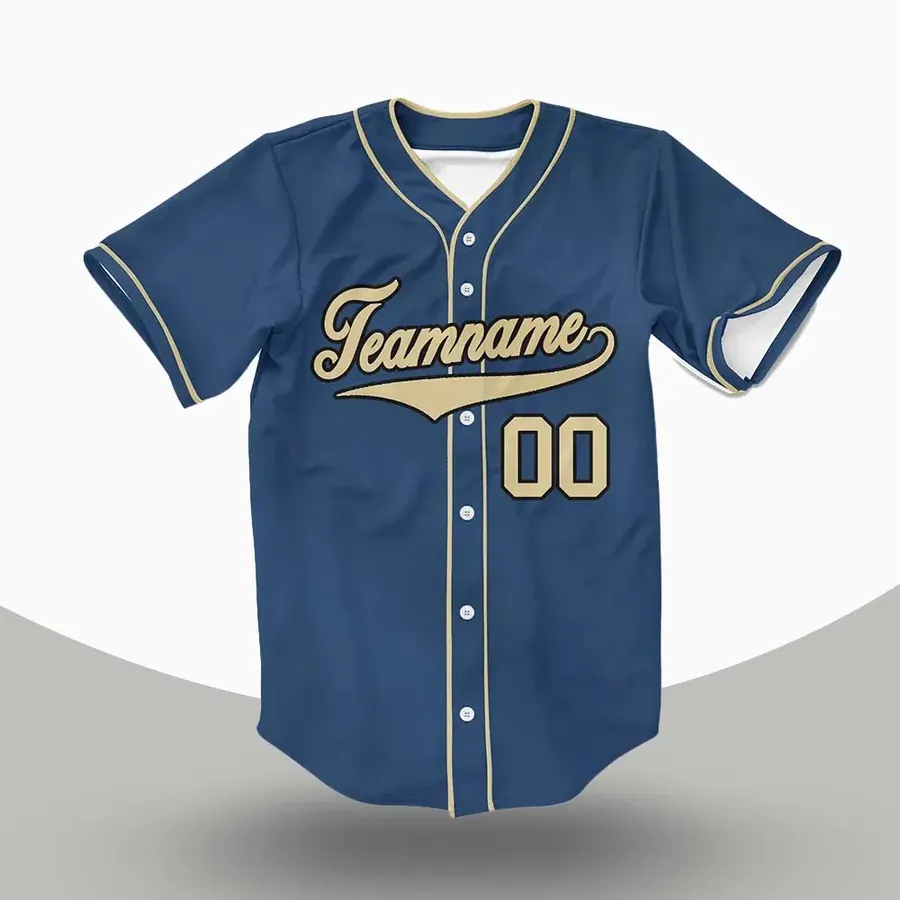
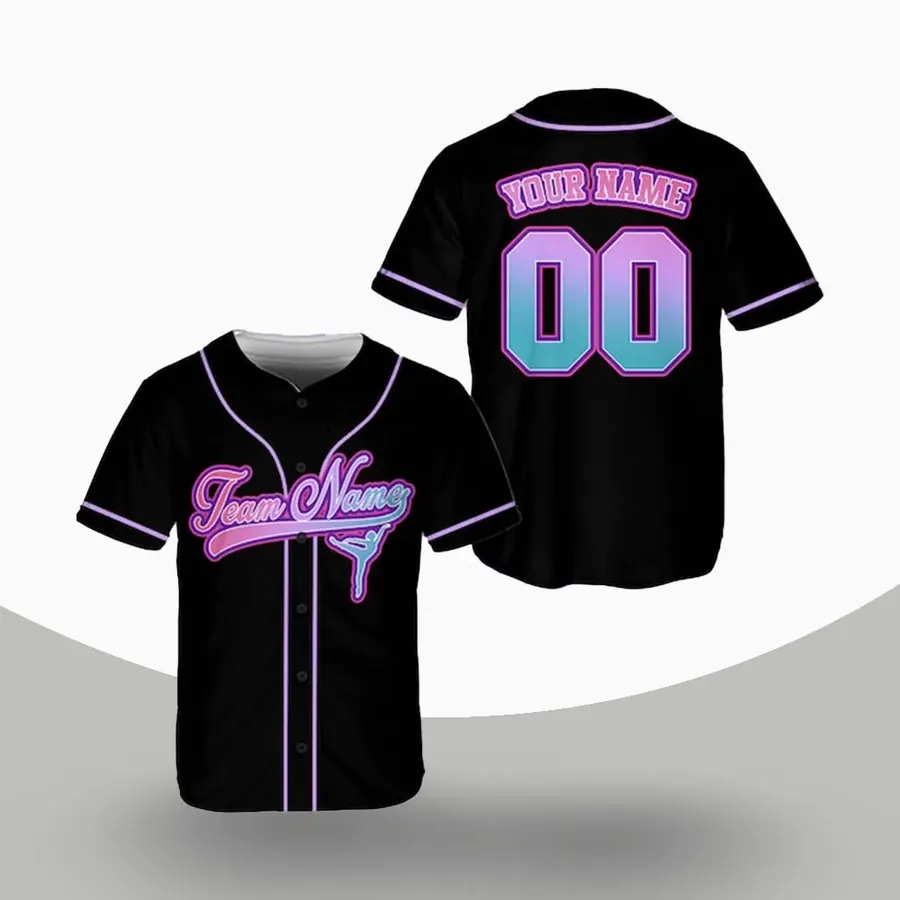
Product photographs from the ZEE Sports Wear range. Every order is made to the program's own colours and design.
Baseball questions
Full-button or two-button?
Full-button reads as the traditional uniform; two-button is lighter and cooler. Both are made to the same standard, so it is genuinely a look decision.
Can you do throwback designs?
Yes, and they are among the more satisfying jobs we take. Send whatever reference you have, including a photograph of an old jersey.
Do you make softball kit too?
Yes — same construction, different cuts. The baseball site covers both.
Why are the pants the hard part?
Because knee and seat take the abrasion of every slide, and that failure is public, immediate and expensive to replace mid-season. A program will tolerate a plain jersey; it will not tolerate pants that split in week three.
Do you make knicker and full-length cuts?
Both, from the same pattern, because a squad will want both and they should look like they came from the same place. Ordered separately from different suppliers, they will not.
What placket options are there?
Full-button, two-button and pullover — three different constructions rather than three finishes. The choice is made at pattern stage, so it is worth deciding before artwork rather than after.
Is softball just a smaller version of the same uniform?
No, and treating it as one is where the fit complaints come from. The cut differs through the shoulder and body; grading a men's pattern down produces a small men's garment with a women's label on it. We pattern the two separately.
Do you still do tackle twill lettering?
Yes. It remains a real request in baseball in a way it is not elsewhere. It is a different process from sublimation with different lead times, so tell us early if that is what you want.
How many jerseys per player should we order?
Usually more than one. The schedule is dense and a uniform that goes into the dirt on Tuesday has to be clean on Wednesday. Programs that order exactly one per player spend the season doing emergency laundry.
Can you reinforce the knees and seat?
That is where the reinforcement goes, because that is where the garment meets the ground on purpose. It is the specification point we will argue hardest for, because the saving from skipping it is spent again in the first month.
Will the numbers and names match across jerseys and pants?
They will if the whole uniform is produced in one run. Split across two orders, the colour is matched to a description rather than to a batch, and the difference shows in daylight.
Can we add players after the season starts?
Yes. We keep the specification on file — fabric batch, print calibration, pattern — so a repeat of four uniforms matches. Reordering from a description months later does not reliably match.
Where do we order baseball uniforms?
thebaseballjerseys.com carries the range, sizing and ordering. This page is about how the uniforms are built, which is a separate question from which one your program wants.