
Worn under the kit
Custom Compression Wear — the layer underneath, printed to belong
Compression wear is bought as an accessory and worn as part of the uniform. It shows at the sleeve, at the collar and below the short, which means a base layer in a generic black under a kit in your colours is a visible mismatch on every player wearing one.
It is also the piece most often left to last, and the one where that costs the most: ordered six weeks after the kit it goes under, it comes from a different dye run, is quoted as a small order, and arrives after the season has started.
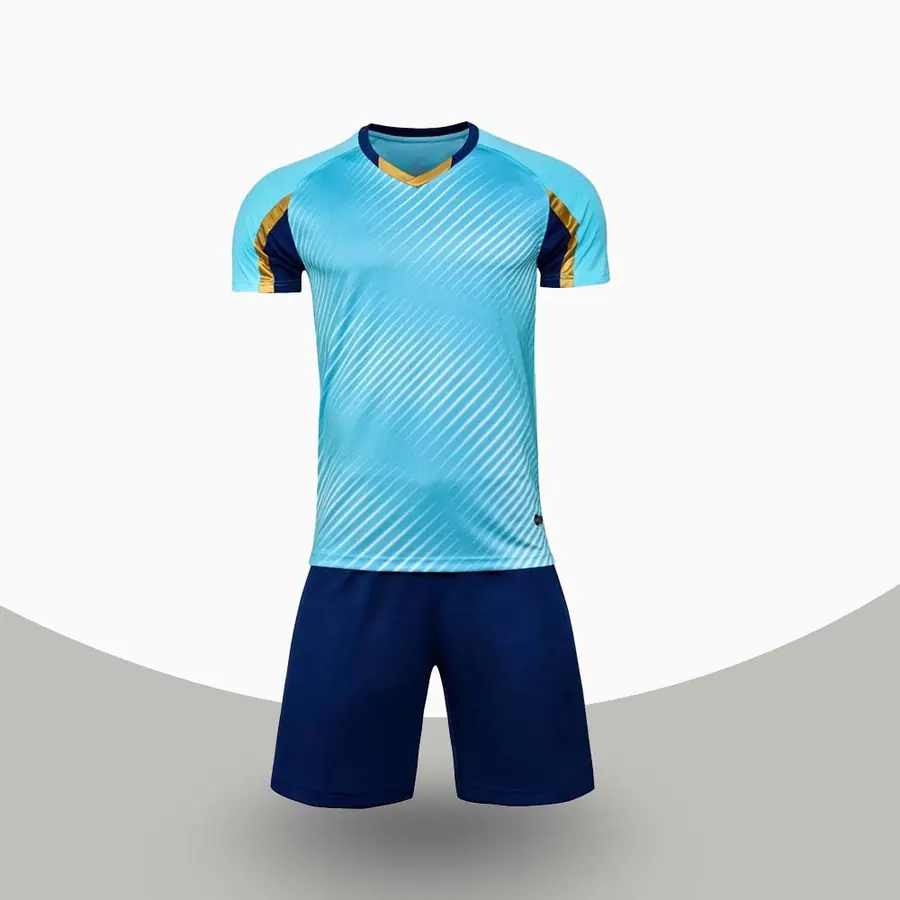
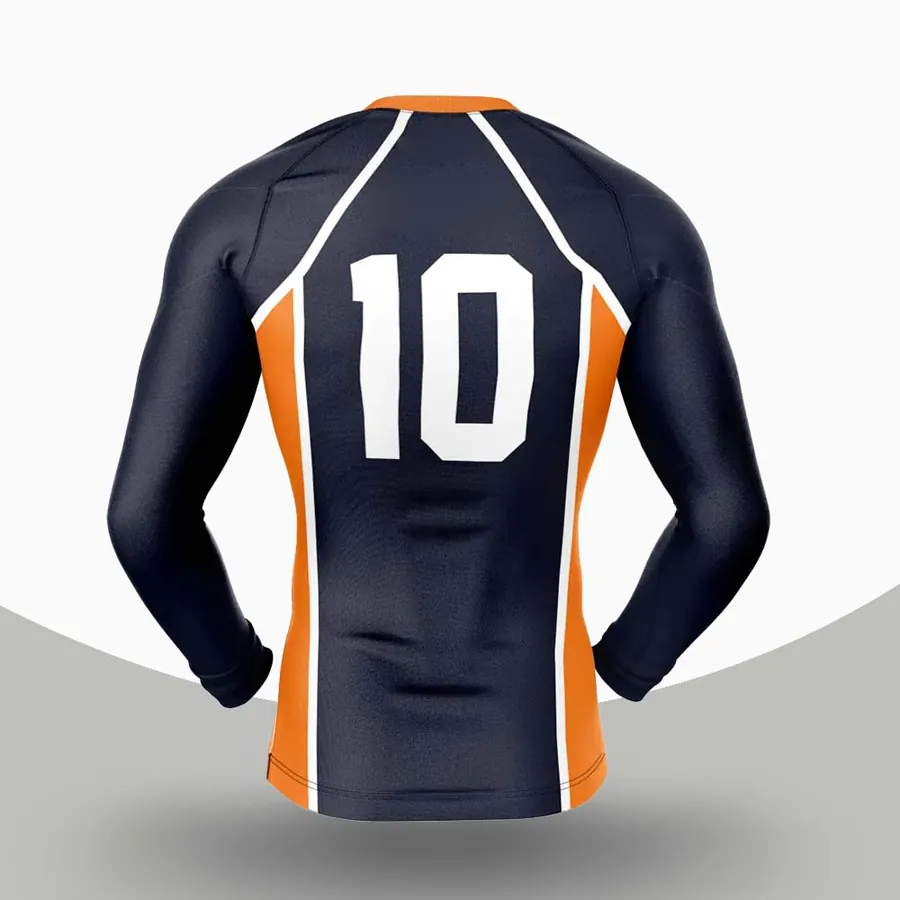
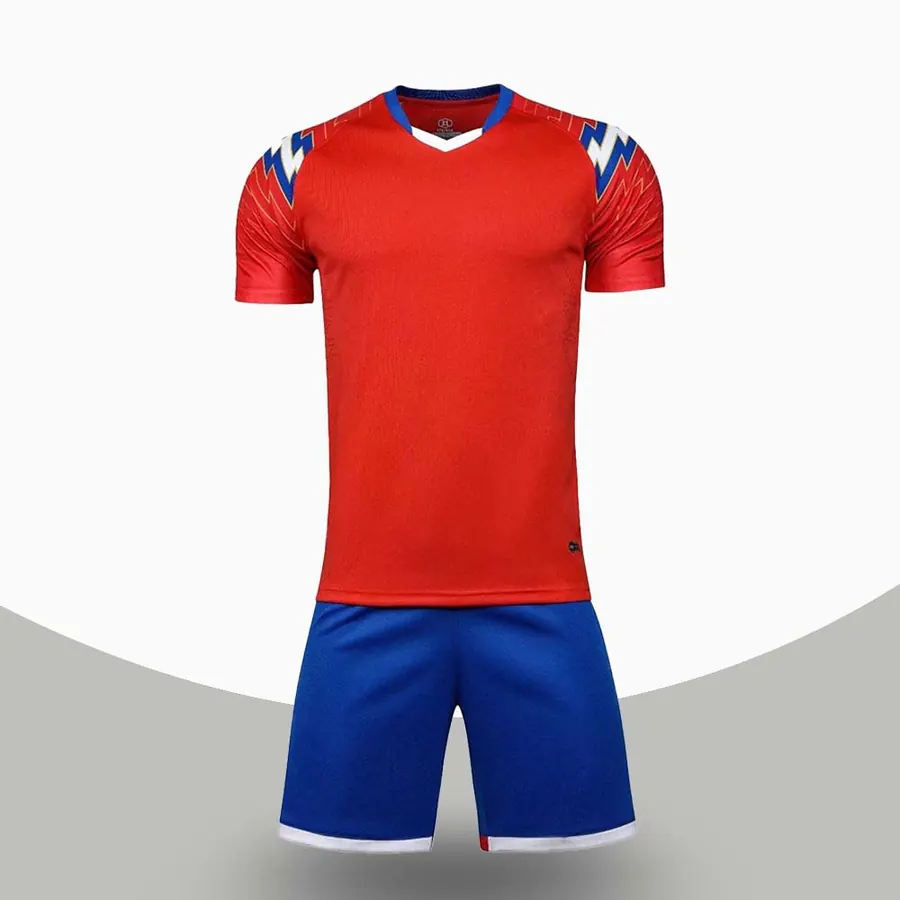
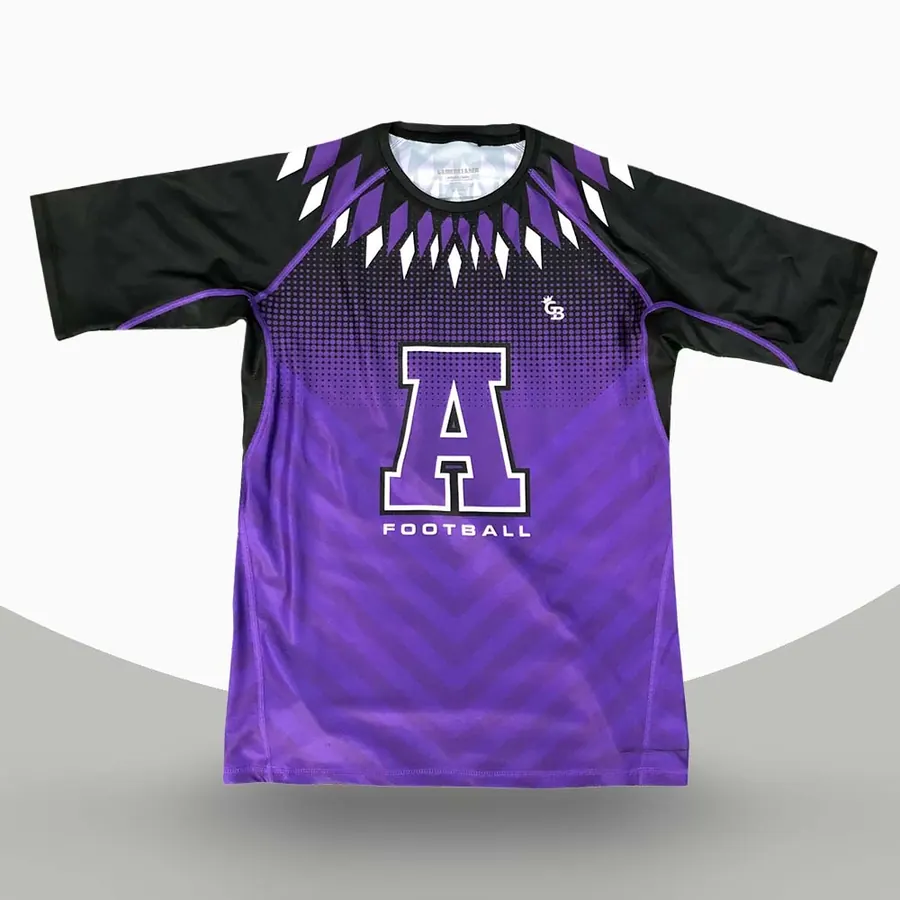
Compression Wear in other colourways
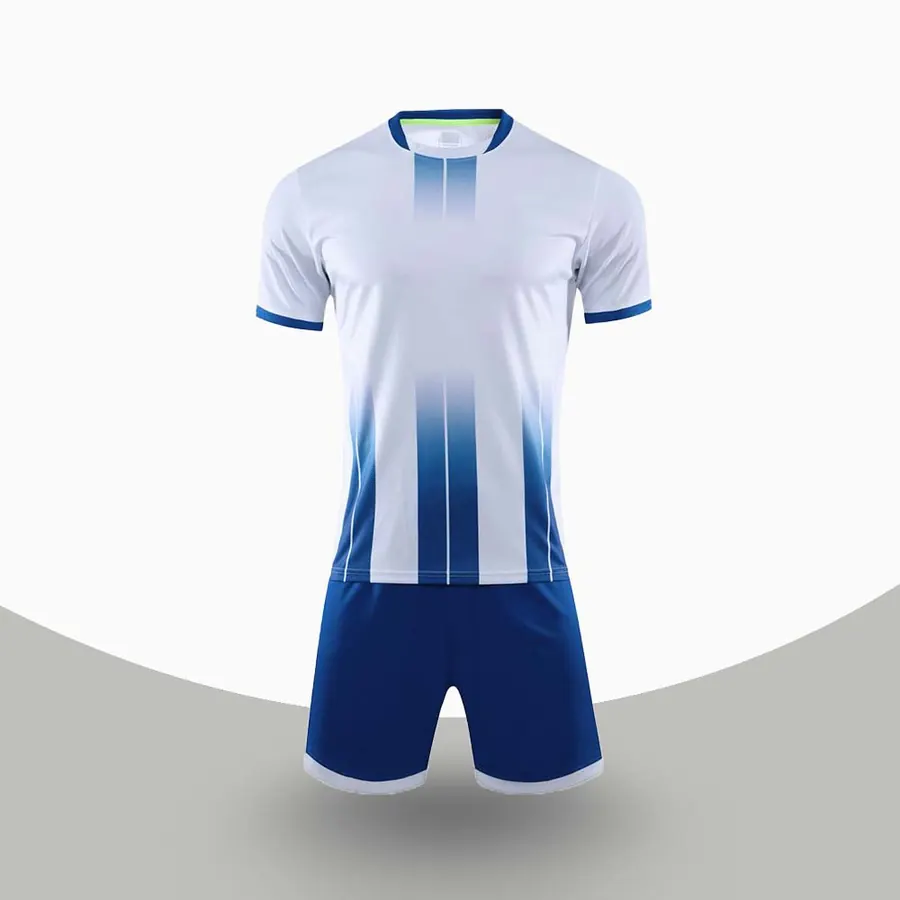
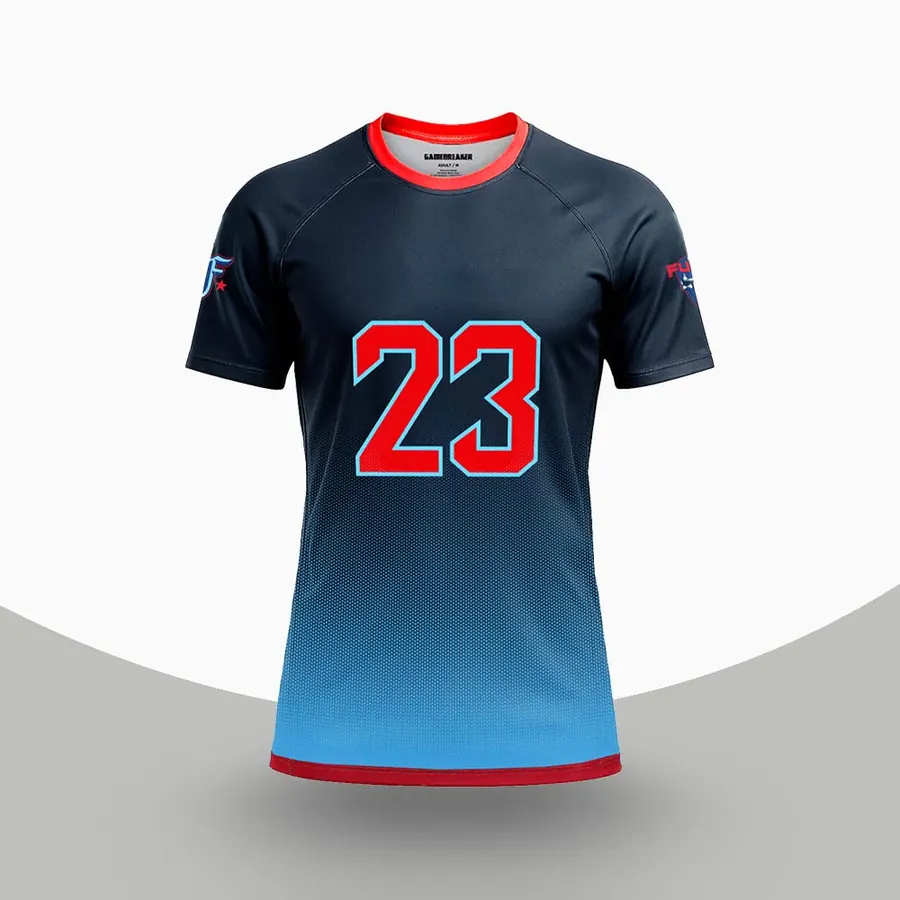
The same construction, made up in different colours. Yours is produced to your own design.
123456 / 6
Product photographs from the ZEE Sports Wear range. Every order is made to the program's own colours and design.
What it is for
Players wear it for three different reasons, and the right specification depends on which one applies.
Warmth
Long-sleeve base layers under a short-sleeve kit in cold conditions — the most common reason in outdoor sports.
Support
Graduated compression on the legs, worn through a match and often afterwards.
Skin protection
On courts, where a dive costs skin. Volleyball squads order this far more than any other sport we make for.
Getting the match right
A base layer is a different fabric from a jersey, and a different fabric takes dye differently. An exact match across the two is not something to promise, so we match to the same colour reference and show both garments together on the mockup — approving the pair is more honest than approving a number.
Sizing is the other half. Compression is meant to be tight, so ordering it against a jersey size chart produces a garment nobody wears twice; we quote it against its own measurements, and squads that check two players against those measurements first rarely reorder for fit.
Sleeve length is the decision people forget. A three-quarter sleeve that stops above the jersey cuff looks like a mistake from the stands even when it is exactly what the player asked for, so it is worth settling against the actual kit rather than in the abstract — the same reasoning that runs through a uniform produced as one matched set.
What we build to
A base layer is a simple garment held to tighter tolerances than the kit over it, because it is worn against skin for two hours.
- Fabric
- Four-way stretch polyester-elastane, lighter than any jersey weight — it is a second skin, not a second layer
- Seams
- Flatlocked, so nothing stands proud against the skin under a jersey
- Decoration
- Sublimated only. A pressed logo under a jersey is something a player feels for ninety minutes
- Lengths
- Short and long sleeve; shorts, three-quarter and full-length bottoms
- Sizing
- Against its own measurements, never the jersey chart — compression is meant to be tight and a size up defeats it
- Colour
- Matched to the kit reference, or plain black and white where nothing shows
Why the base layer is the piece that gets forgotten
It is bought last because it is cheapest, and it is cheapest because it is simple. That logic is sound right up to the point where it arrives six weeks after the kit, in a black that does not match, from a dye run that never saw the reference — and shows at every sleeve on the field.
The garment itself is not complicated. What is complicated is the ordering: it belongs to the kit and is treated as an accessory, so it falls between the person specifying the uniform and the person buying the odds and ends. The fix is to put it on the same quote, which is the same reasoning behind ordering a full roster package in one order.
For volleyball it is not an accessory at all. A libero going to the floor twenty times a match is wearing the base layer as protective equipment, and a squad that treats it as optional finds out in the first tournament.
Who orders it, and what they order
Three quite different requirements arrive under one product name.
Indoor court squads
Volleyball above all. Long sleeve and full-length bottoms bought as protective equipment rather than as apparel, because a player going to the floor twenty times a match is going to lose skin without them.
Outdoor programs in cold months
Long-sleeve base layers under a short-sleeve kit, usually ordered for part of a squad rather than all of it. The colour matters here because it shows at the cuff and the collar.
Individual athletes
Graduated compression on the legs, worn through a match and often afterwards. Ordered in ones and twos alongside a team order, which is the cheapest moment to do it.
What we build to
A simple garment held to tighter tolerances than the kit over it, because it is worn against skin for two hours.
- Fabric
- Four-way stretch polyester-elastane, lighter than any jersey weight — a second skin rather than a second layer
- Seams
- Flatlocked, so nothing stands proud against the skin under a jersey
- Decoration
- Sublimated only. A pressed logo under a jersey is something a player feels for ninety minutes
- Lengths
- Short, long and sleeveless tops; shorts, three-quarter and full-length bottoms
- Sizing
- Against its own measurements, never the jersey chart — compression is meant to be tight and a size up defeats it
- Colour
- Matched to the kit reference where it shows; plain black or white where it does not
Fit, and why a size up is not a kindness
Compression works by being tight. A player given the next size up because it felt easier to pull on is wearing a thin long-sleeve shirt, which does none of the three things they bought it for — it does not hold, it does not stay put under a jersey, and it bunches at the elbow on a dive.
The practical consequence is that compression cannot be sized from a jersey chart, and squads that try produce a run nobody wears twice. Measure two or three players against the compression measurements specifically, the same method that works for the rest of a squad in our guide to sizing a whole squad quickly.
The other half is length. A sleeve that stops just above the jersey cuff reads as a mistake from the stands even when it is exactly what the player asked for, so it is worth settling against the actual kit rather than in the abstract.
How long it lasts, and how to make it last longer
Compression wear has a shorter life than the kit over it, and the reason is mechanical rather than a question of quality: it is worn tighter, stretched every time it goes on, and washed more often than anything else a player owns. Plan on replacing it a season before the uniform it goes under.
What shortens it fastest is heat. Elastane is what gives the garment its hold, and a tumble dryer takes that away permanently — a base layer that has lost its stretch is a thin long-sleeve shirt doing none of the three jobs it was bought for. Fabric softener does the same thing more slowly, by coating the fibre.
The cheap insurance is a couple of spares in the commonest sizes ordered with the original run, which cost a fraction of the same garments alone in October and come from the same dye lot as the rest — the argument made in full in our guide to adding to a kit you already own.
Football
What changes for football →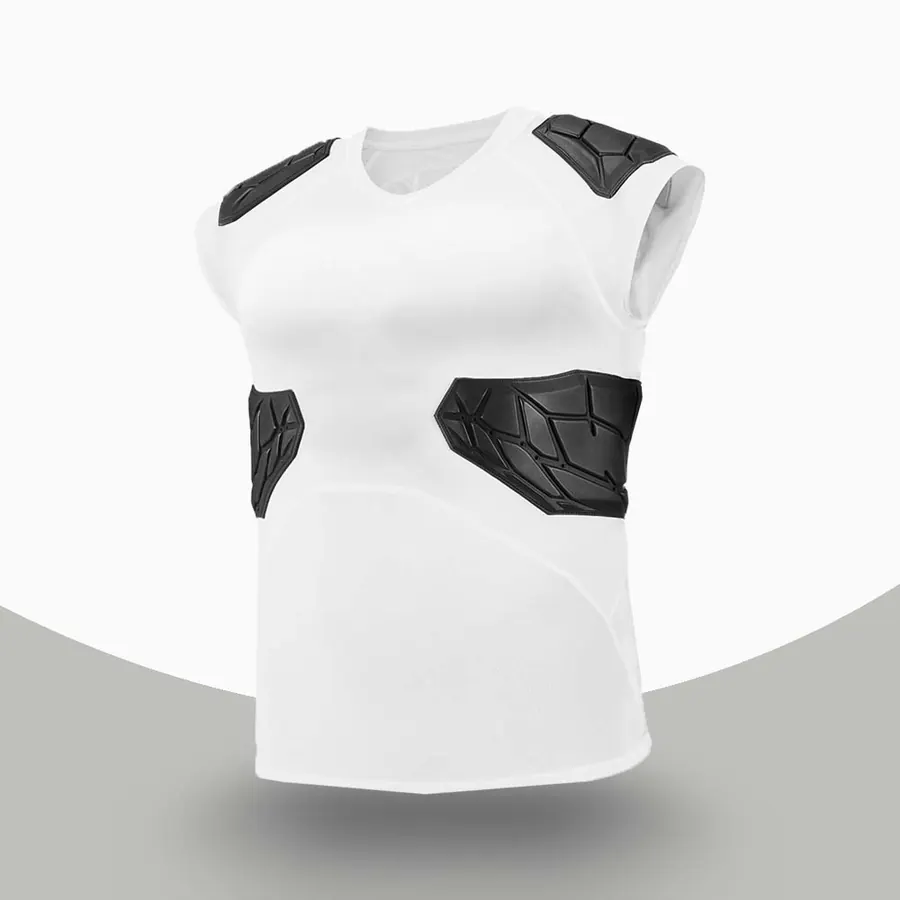
Soccer
What changes for soccer →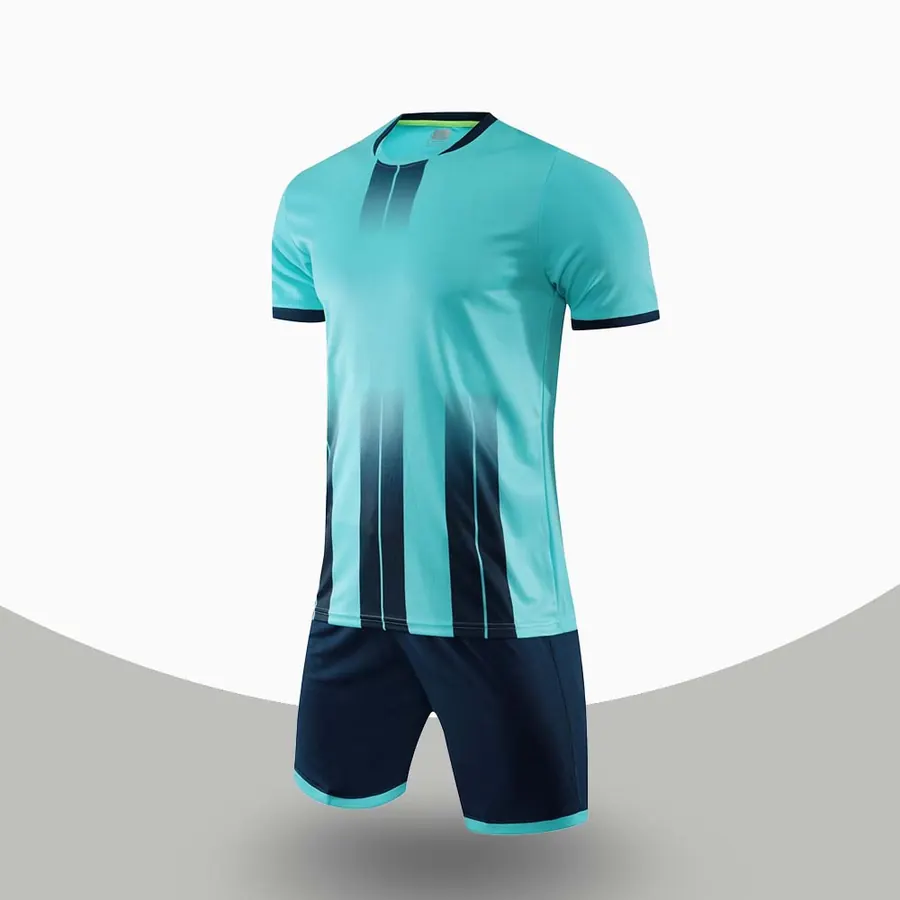
Volleyball
What changes for volleyball →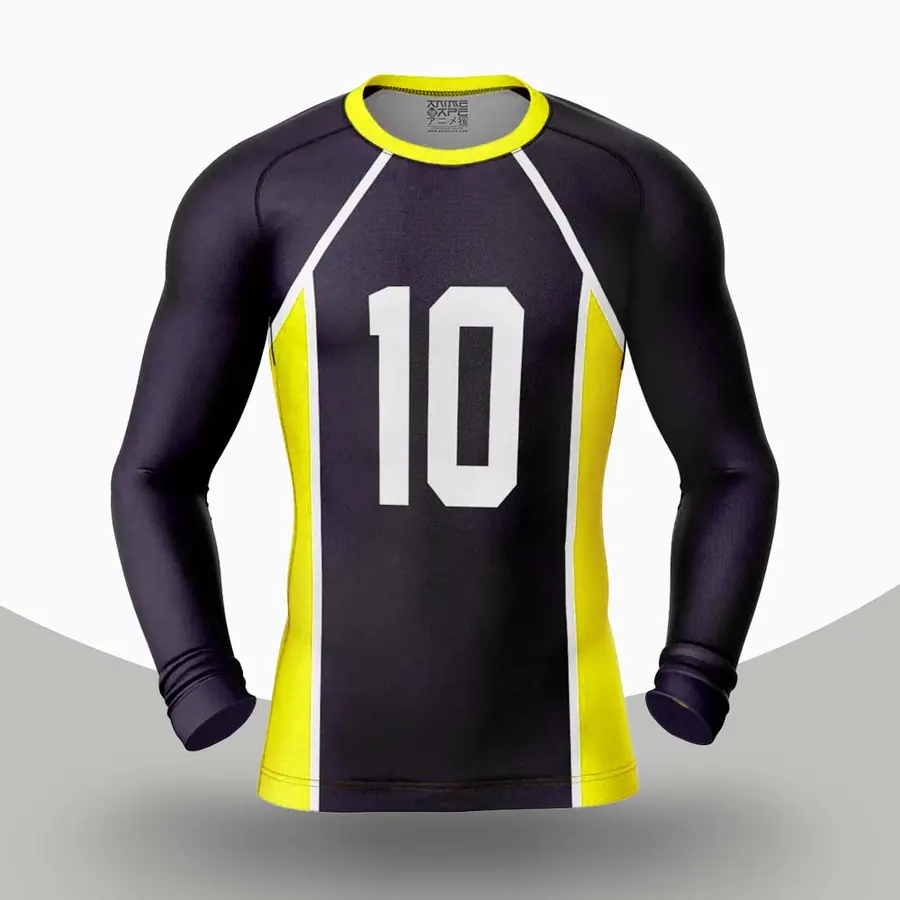
Questions we get asked
Can compression pieces carry the team logo?
Yes. Sublimation puts it into the fabric, so there is nothing raised to rub against the skin under a jersey.
Should we order it in the team colour or in black?
Team colour if it shows at the sleeve or collar, black or white if it does not. Volleyball squads almost always want the team colour; soccer squads are split by what their kit looks like.
Is it worth ordering with the kit rather than later?
It is, because it shares the artwork setup and the colour reference. Ordered separately six weeks later it is a small order at a small-order price.
How should compression wear be washed?
Cold, and never in a tumble dryer — heat is what kills elastane, and a base layer that has lost its stretch is a base layer that has lost its point. Fabric softener does the same thing more slowly.
How long does it last compared with a jersey?
Less. It is worn tighter, washed more often and stretched every time it goes on. Plan on replacing it a season before the kit it goes under, and order a couple of spares in the commonest sizes with the original run.
Does it need to match the kit?
Only where it shows — at the sleeve, the collar and below the short. Where nothing shows, plain black or white is the sensible and cheaper answer.
What sizes do you make?
Youth through adult, against compression's own measurements rather than the jersey chart. Squads that check two players against those measurements before ordering rarely reorder for fit.
Can we order it for only some of the squad?
Yes. It is the piece most often ordered for a handful of players rather than the whole roster, and that is fine as long as it goes in with the main order.
Is long sleeve or short sleeve more common?
Long sleeve outdoors, short sleeve or sleeveless on courts. Volleyball squads order more compression than any other sport we make for, mostly for skin protection on a dive.
Will the print rub against the skin?
No — it is sublimated, so the colour is in the fibre and there is nothing sitting on the surface to feel.
Send us the roster, get a real quote
Sizes, colours and roughly when you need it is enough to work from. You get a written quote and a mockup in your colours before anything is committed, and the design brief on our step-by-step kit design tool covers the same ground if you would rather build it yourself first.
Prefer to talk? +1 213-449-3746, Monday – Saturday, 9:00 AM – 7:00 PM (PST).
Design it yourself
Build the brief for your compression wear
Six short steps, no pricing and no account. The preview shows how your colours sit together; the real mockup comes back from our team on the actual garment, free, usually the same working day.
Keep looking
Next in the range
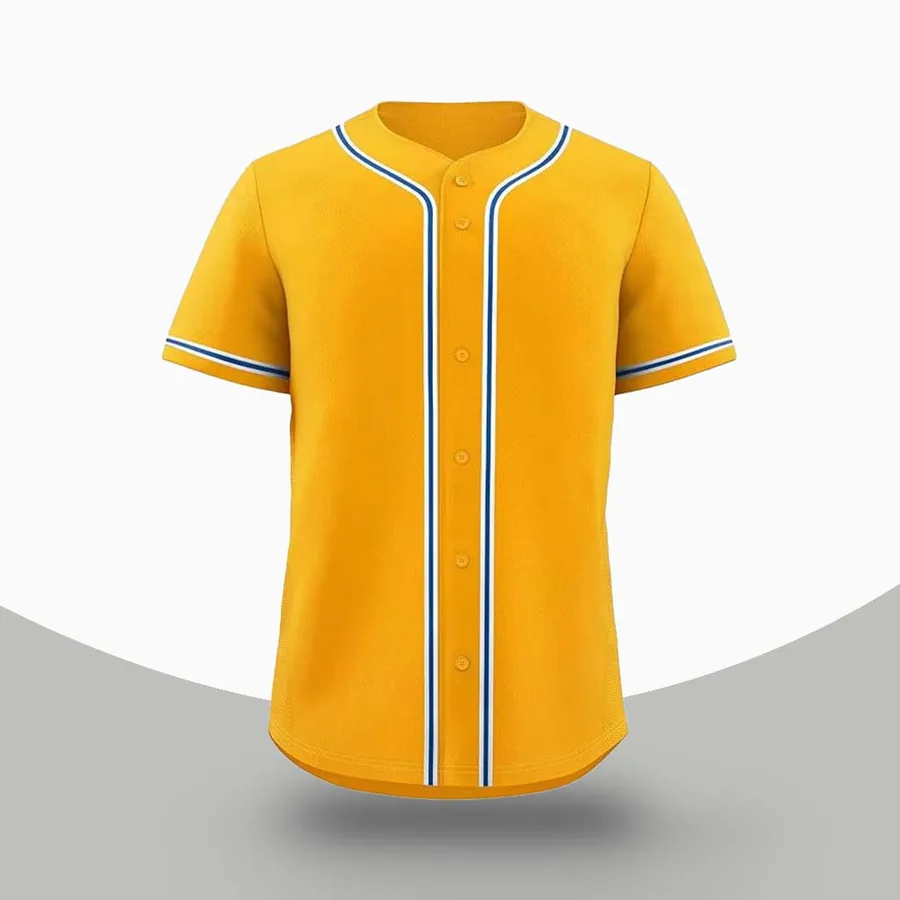 Practice & Training Gear The kit worn five days a week See the range → 10 products
 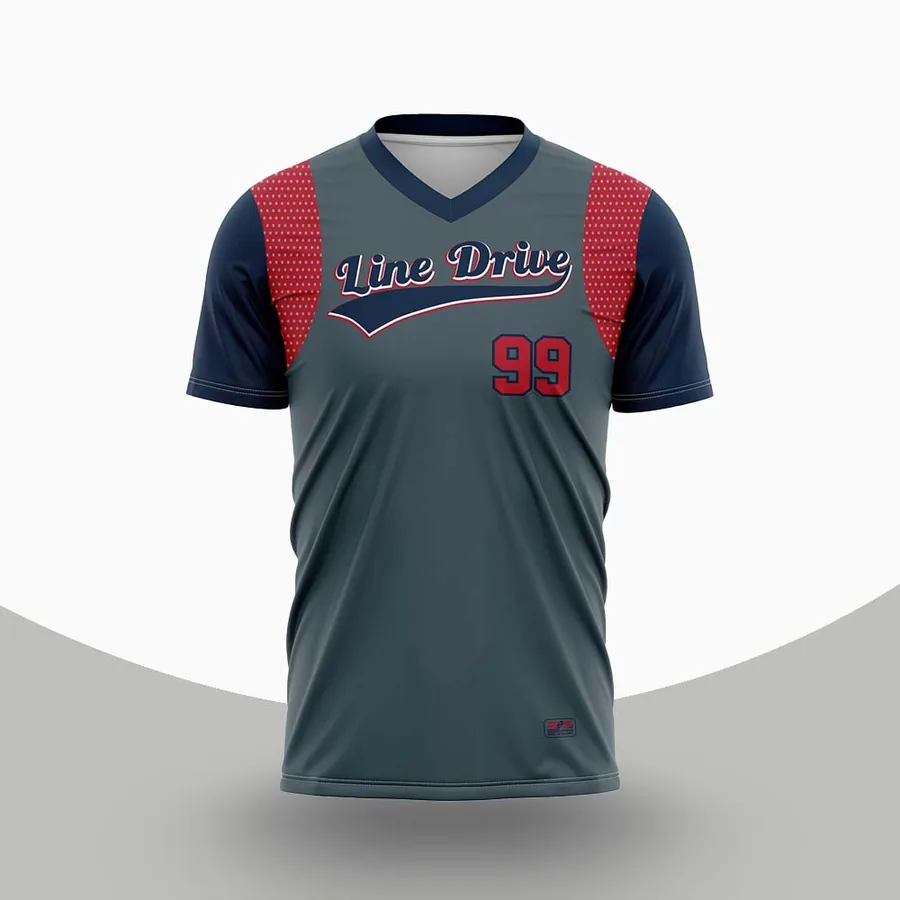 Warm-Ups & Outerwear Before the game and after it See the range → 10 products
 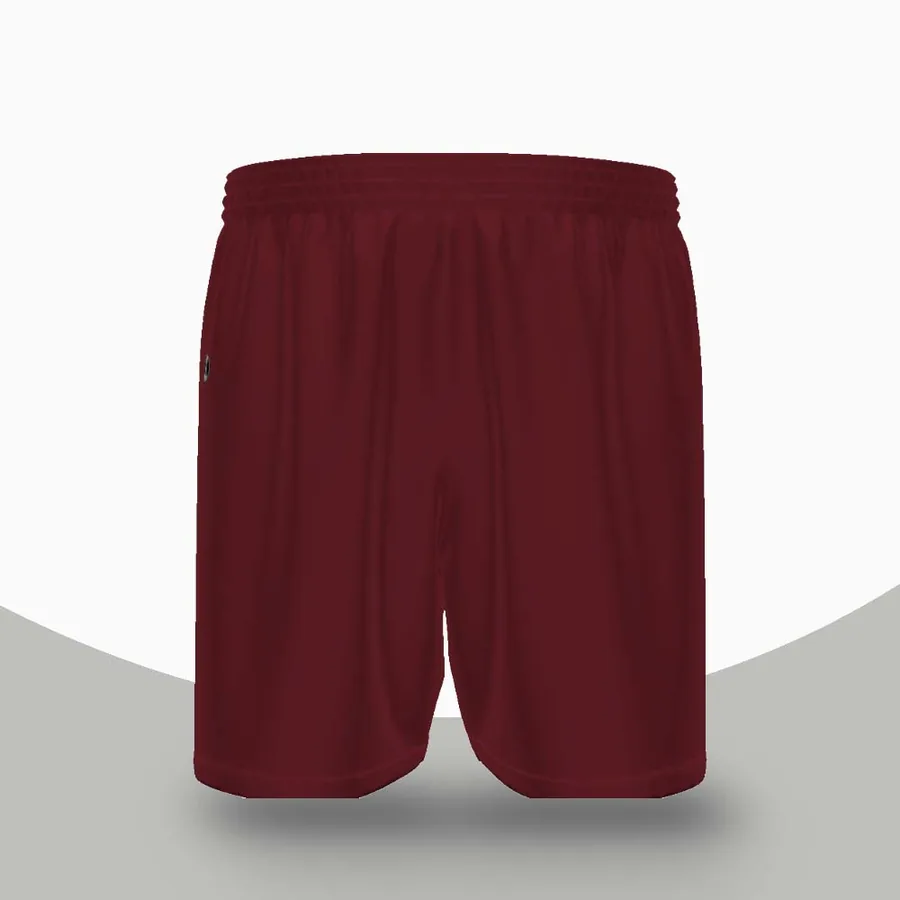 Team Shorts & Pants The bottom half of the kit See the range → 4 products
  Socks & Accessories The pieces that finish a set See the range → 4 products