A construction, not a colourway
Custom Reversible Jerseys — one garment, two teams
A reversible jersey is two garments bonded into one. Worn one way it is the home shirt; turned inside out it is the away shirt, or the other half of a practice scrimmage. For a program running a squad on one budget, it is the single most efficient thing we make.
It is also the garment most often bought badly, because a reversible built cheaply is heavier, hotter and stiffer than two ordinary jerseys — which defeats the purpose entirely.
Reversible Jerseys in other colourways
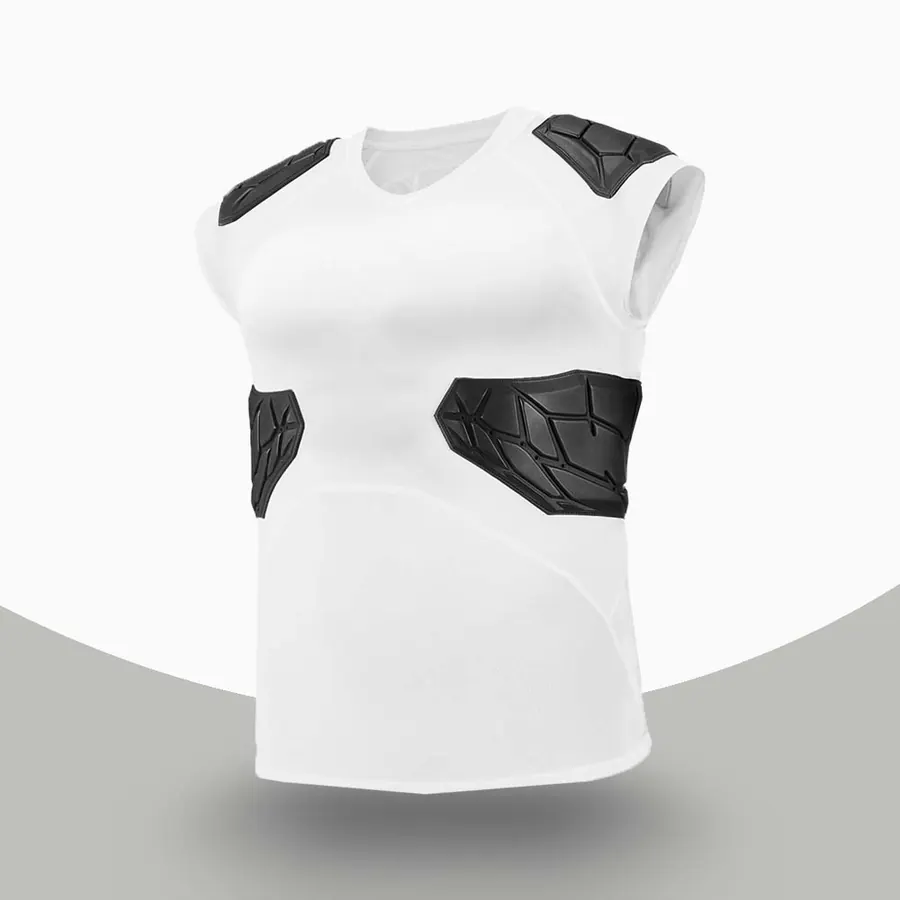
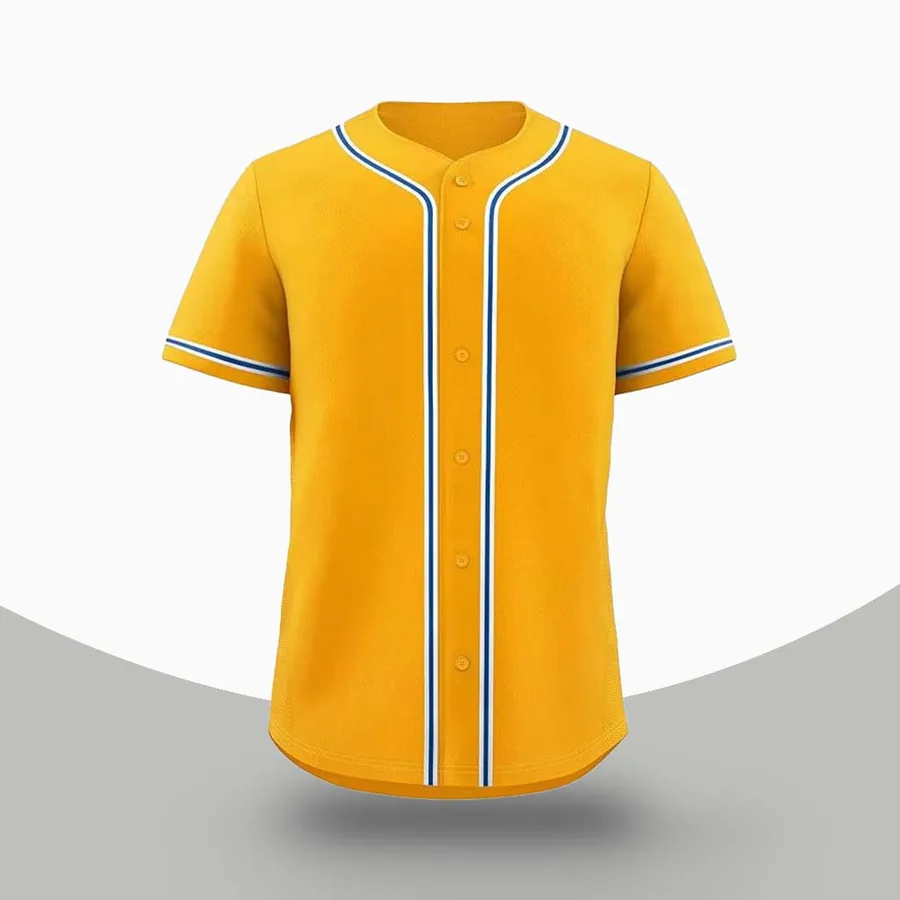
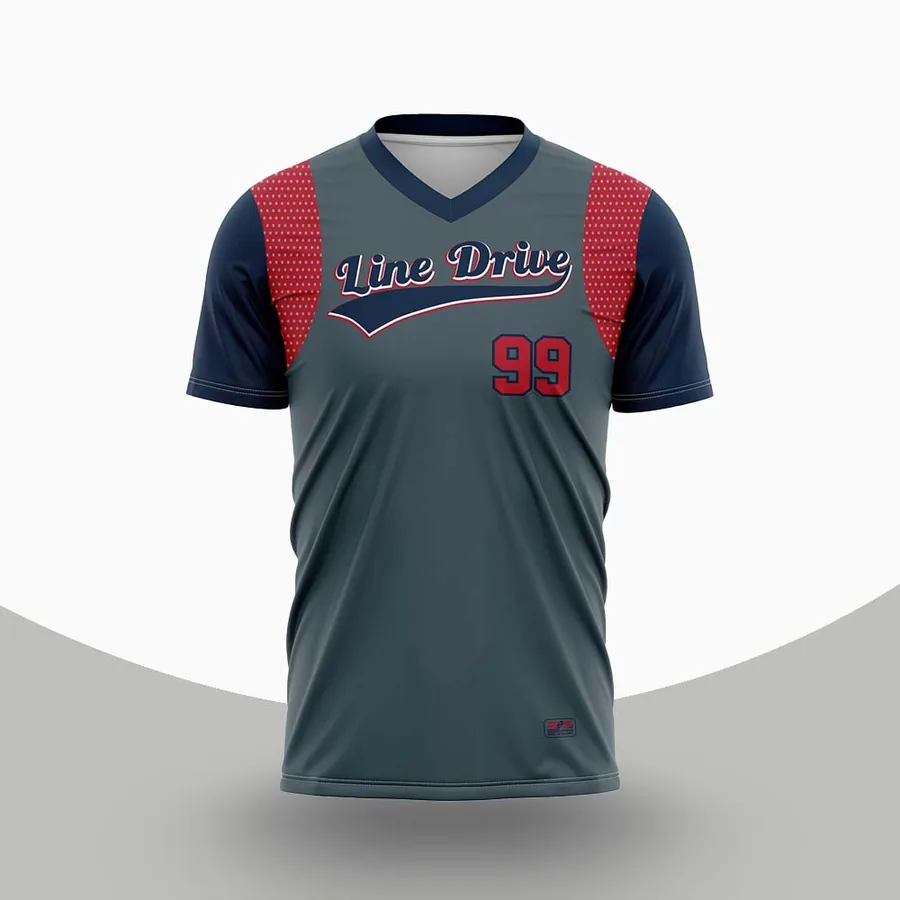
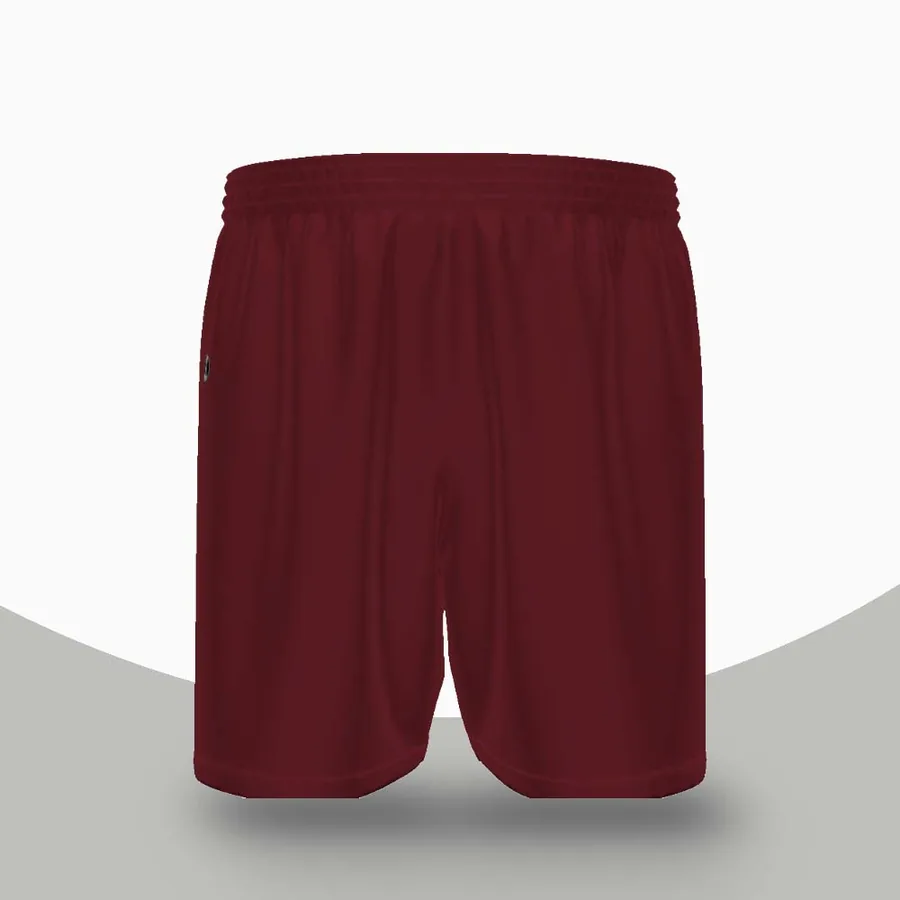
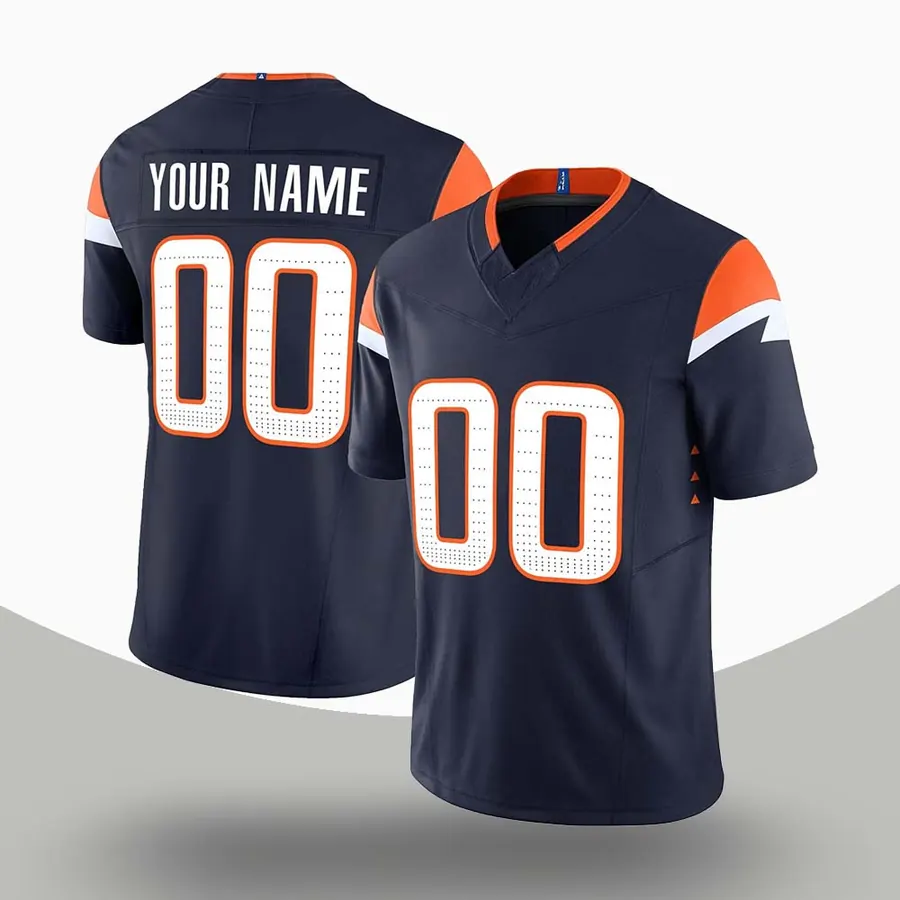
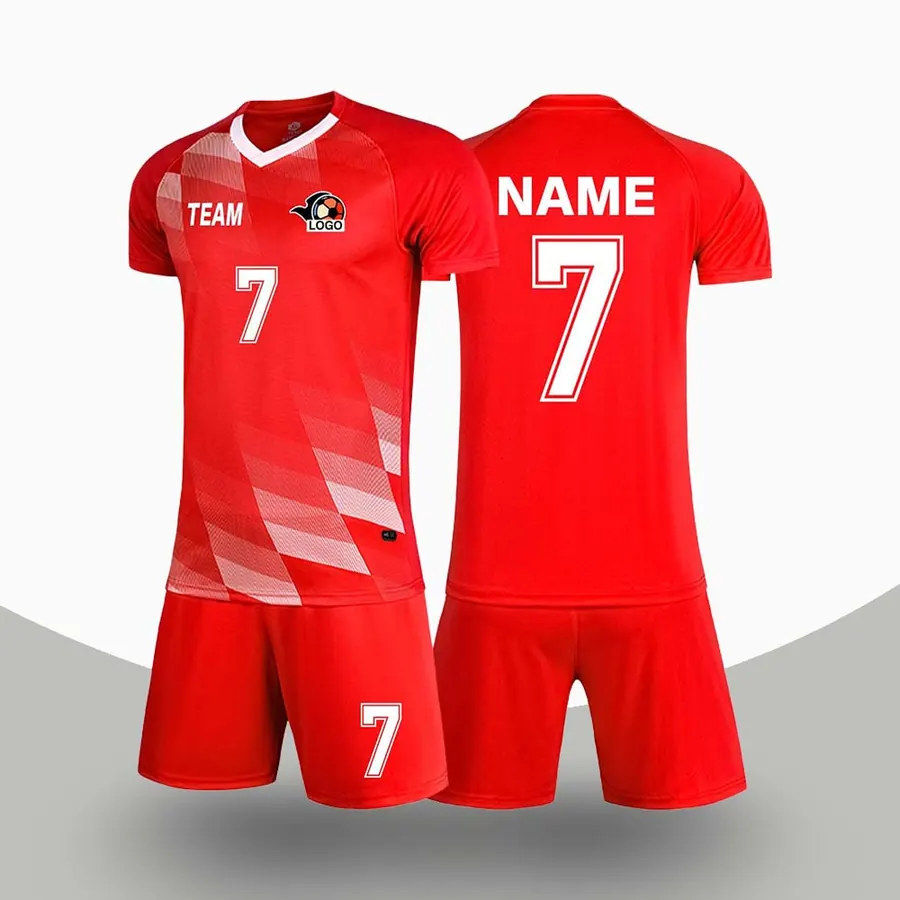
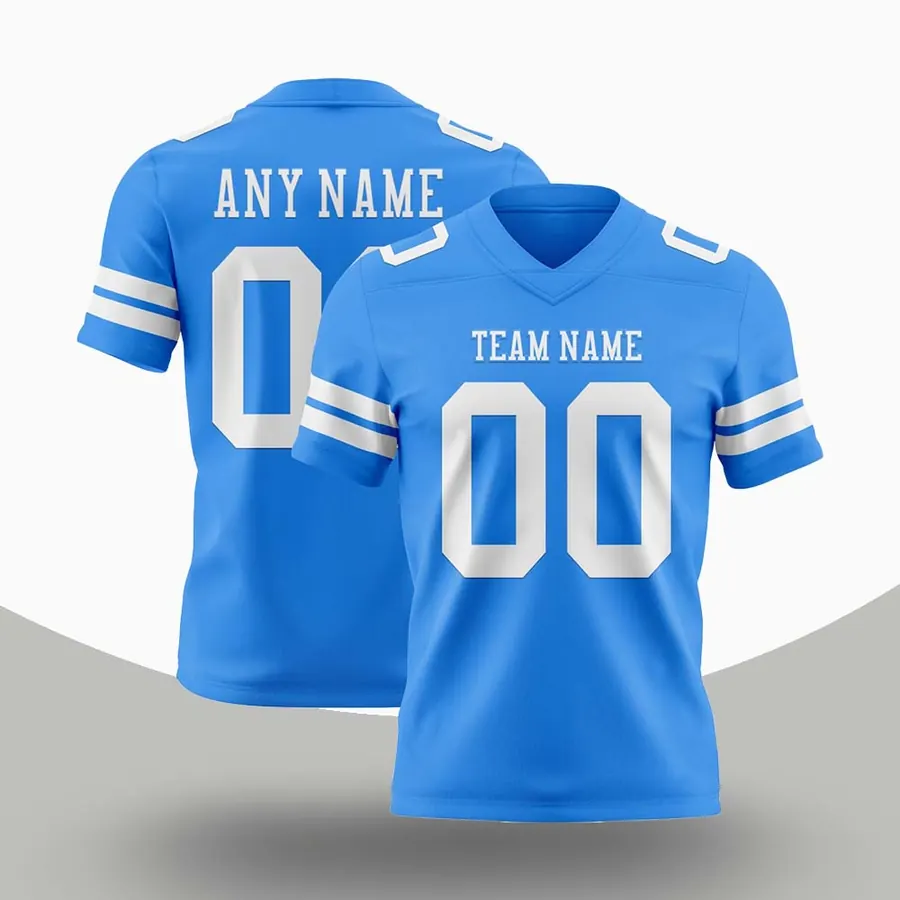
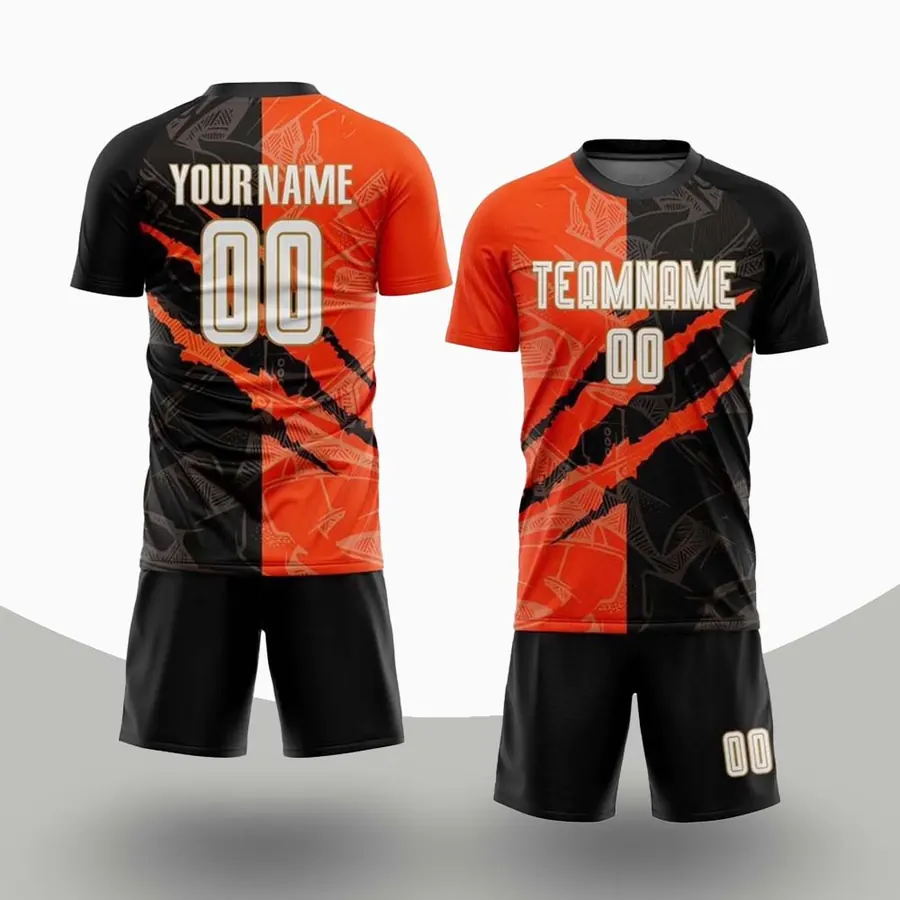
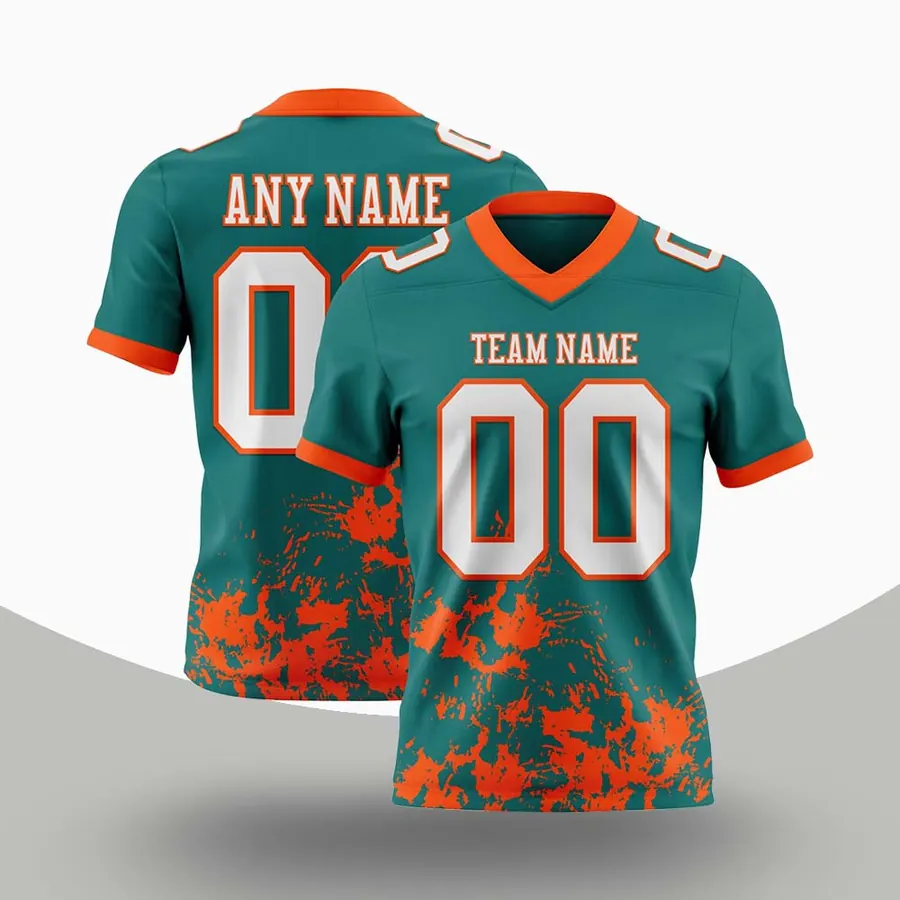
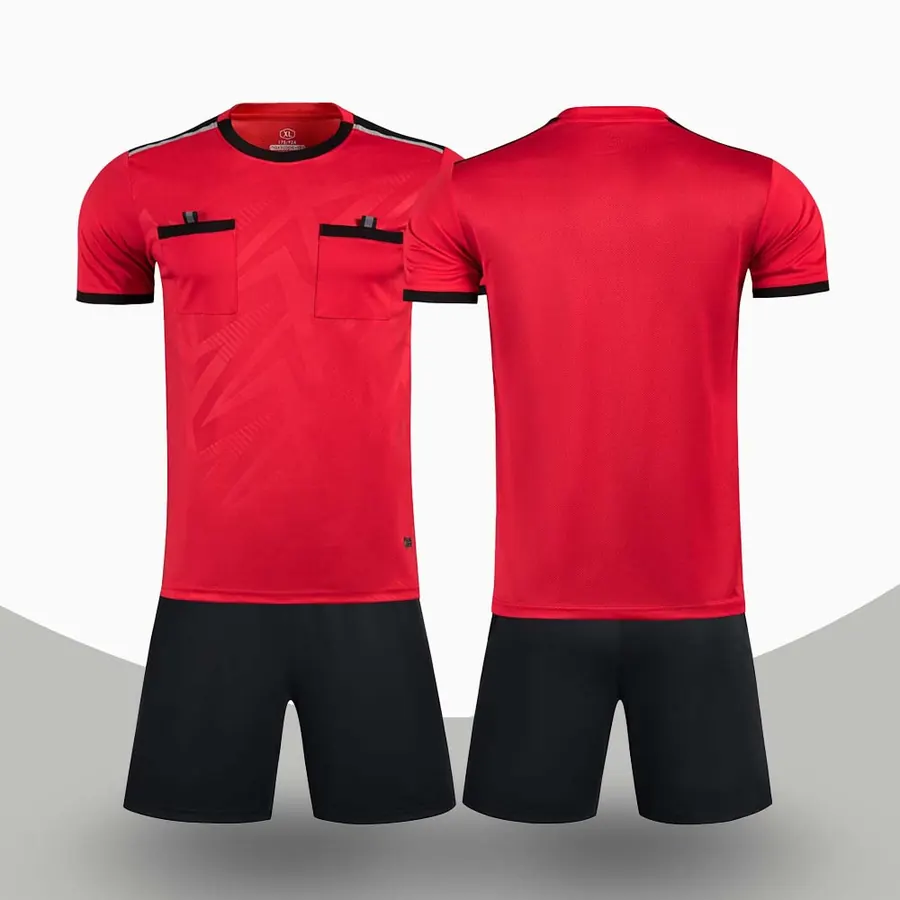
The same construction, made up in different colours. Yours is produced to your own design.
123456 / 6
Product photographs from the ZEE Sports Wear range. Every order is made to the program's own colours and design.
What separates a good reversible from a bad one
Weight. Two layers of the fabric you would use for a single-sided jersey makes a garment that is twice as warm and half as comfortable. A reversible has to start from a lighter knit on both faces so the bonded result lands where a normal jersey does, and a supplier who is not talking about fabric weight is not making a reversible so much as gluing two shirts together.
The second thing is the seam. Every seam is visible from both sides, so the finishing that is hidden on an ordinary garment is on display here — which is why a reversible is a reasonable way to judge a factory’s construction quality before placing a bigger order.
Third is the print. Both faces are dyed before bonding, which means design freedom on both sides at no extra cost, and it means neither side can crack or peel; there is nothing on the surface to fail.
How one gets made
- 01
Two designs approved together
You see both faces on one mockup, because the relationship between them is the design.
- 02
Both faces printed flat
Each side is sublimated as a separate panel set before anything is joined.
- 03
Bonded and cut
The two layers are joined and then cut as one, which is what keeps the shape true when it is turned.
- 04
Sewn to show both sides
Finished with seams that are meant to be seen from either face rather than hidden on one.
Two designs, one garment — how to plan them
The mistake worth avoiding is designing one side and then reversing the colours for the other. A reversible is seen as two separate shirts by two separate crowds, and a straight colour swap gives you one design that works and one that looks like an accident — the light side almost always needs a heavier number outline than its dark twin to hold at distance.
Numbers are where it gets decided. Both faces need the same squad numbers, which means the number has to be legible on both grounds, and the size that reads cleanly on a dark body can look thin on a light one. We set both faces on a single mockup for exactly this reason, and it is the same discipline that governs colour bonded into the fabric itself.
Sponsor marks need a decision rather than a default. Some programs run the sponsor on one face only, which is cleaner and halves the artwork problem; others run it on both, which needs a version of the logo that survives a dark ground. Settle it before the mockup, because a sponsor seeing their mark for the first time on a finished garment is a conversation nobody enjoys.
And a practical one: decide which face is "home" and write it down. Squads that never agreed lose a minute at every fixture, and a coach who has to say it out loud is a coach not thinking about the game.
What it replaces, and what it does not
For a squad on one budget that needs two colourways, a reversible replaces a second full set and halves what has to be carried, laundered and counted. That is its whole case, and for a practice squad or an age group running scrimmages it is a strong one.
It does not replace a presentation kit. A reversible is a working garment: two bonded faces make a slightly stiffer hand than a single-sided jersey however well it is made, and a program that wants its first team to look like a first team is usually better served by a proper matched set — which is what our page on uniform sets produced in a single run is about.
The middle path most programs land on is a reversible for the squad and practice, and a single-sided set for the first team. It costs more than one and much less than two, and it puts the money where it is seen.
How a reversible is specified
Six decisions, and the order matters — each one narrows the next.
- Fabric weight
- Lighter on both faces than a single-sided jersey, so the bonded garment lands at normal jersey weight rather than double it. This is the decision that separates a reversible from two shirts glued together.
- Knit
- Mesh or micromesh for indoor sport, where airflow through two layers matters more than anywhere else in the range. A solid knit on both faces makes a garment nobody wears in a warm hall.
- Bonding
- The two printed faces are joined and then cut as one piece, which is what keeps the shape true when it is turned inside out.
- Seams
- Finished to be seen from either side. Nothing is hidden on the inside because there is no inside.
- Numbering
- Same squad numbers on both faces, sized to read on the lighter ground as well as the darker one.
- Colours
- Two full designs, not one design with the colours swapped. Both are dyed before bonding, so complexity costs nothing on either face.
Where reversibles go wrong
Four failures we see on garments made elsewhere, and what causes each.
Too heavy to wear
Two layers of ordinary jersey knit. The result is twice as warm as a single jersey and gets left in the bag by February, which is the most expensive way for a kit budget to fail.
One good side
The design was made for the dark face and the colours reversed for the light one. Numbers that read cleanly on navy go thin on white, and half the season is played in the half that looks wrong.
Seams that show their working
A garment finished as though one side were the inside. Every seam is on display on a reversible, which is why it is a fair way to judge a factory before placing a larger order.
Lifted print
A pressed graphic on a garment turned inside out twice a session. Anything applied to the surface takes that abuse from both directions; dye does not, because there is nothing on the surface.
What it costs, and what actually drives the price
A reversible costs more than one jersey and less than two, which is the entire commercial case. What moves the number is not the design — both faces are dyed, so a six-colour face costs what a plain one costs — but the construction: two printed panel sets, a bonding step, and a cut that has to hold true through a garment that gets turned.
Quantity moves it the way it moves everything else, and the step changes are worth asking about rather than guessing, because the gap between an awkward number and the next bracket up is often smaller than a program expects.
What does not move it is complexity, and that is worth saying plainly because it is the opposite of how screen printing behaves. If your design has been simplified to keep a quote down, it was simplified for the wrong process — the reasoning is set out on our page about ink pushed through a mesh per colour.
Basketball
What changes for basketball →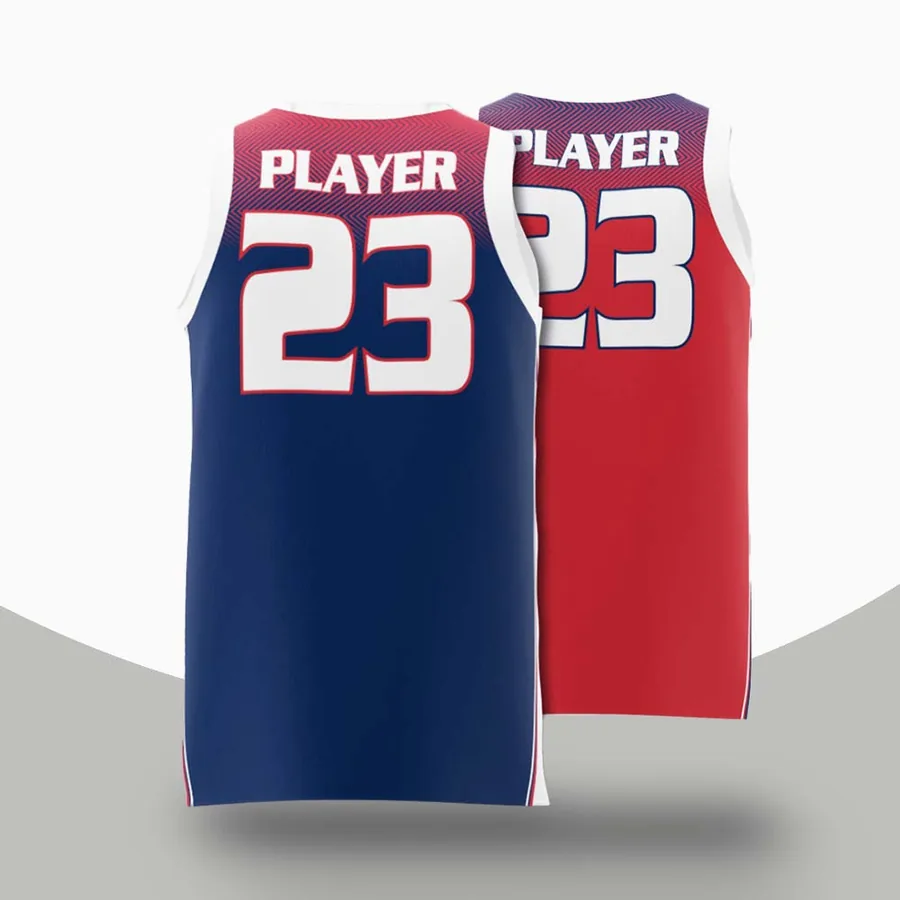
Reversible Basketball Jerseys
From $26.99 per piece · min 10
Reversible basketball jerseys designed for teams across Florida who need maximum versatility and value from their uniform investment, featuring two-in-one construction that provides both home and away looks in a single jersey while maintaining the professional appearance and performance features that competitive basketball demands. These reversible jerseys solve the
Ask about this →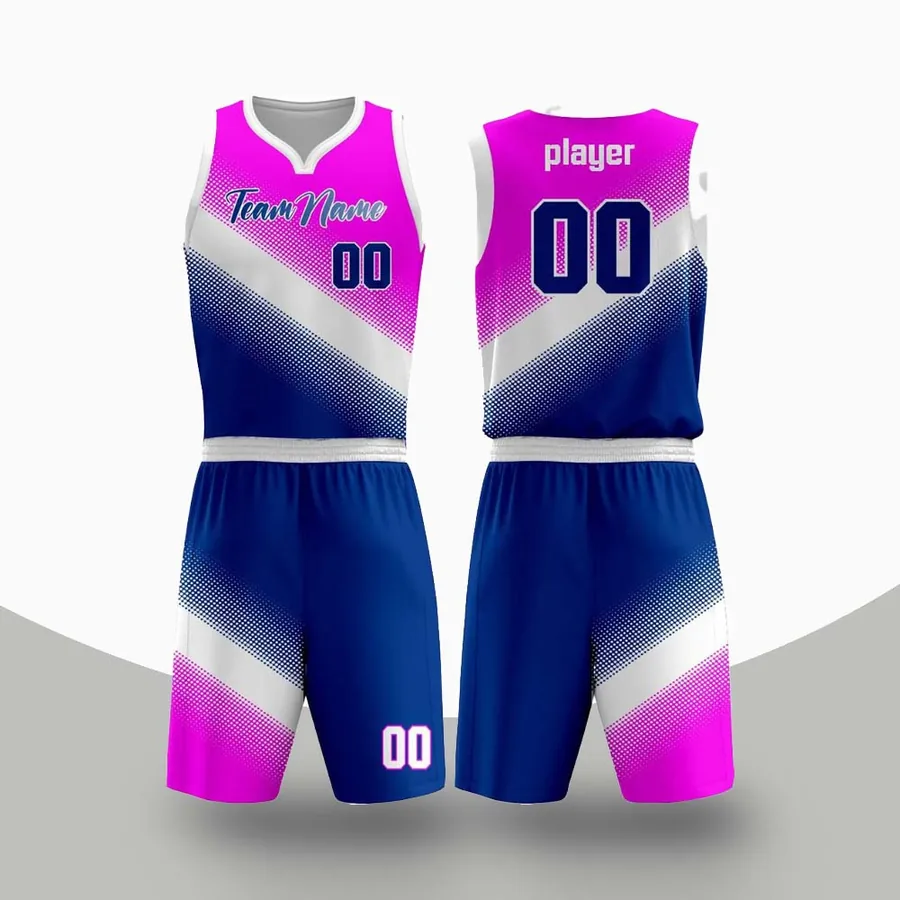
Reversible Basketball Uniforms
$93.99 per piece · min 10
Reversible basketball uniforms providing complete team outfitting solutions that deliver both home and away looks in a single uniform set, offering Florida teams maximum versatility and exceptional value through innovative two-in-one construction that maintains professional appearance while dramatically reducing uniform costs and logistical complexity. These reversi
Ask about this →Football
What changes for football →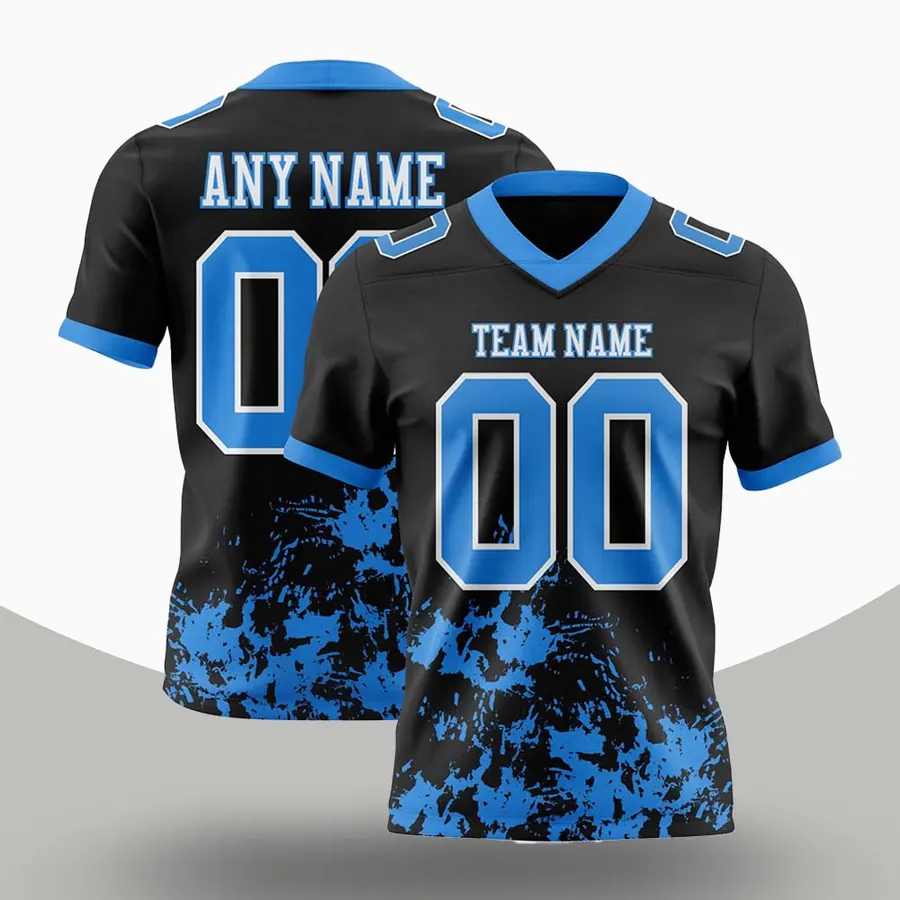
Soccer
What changes for soccer →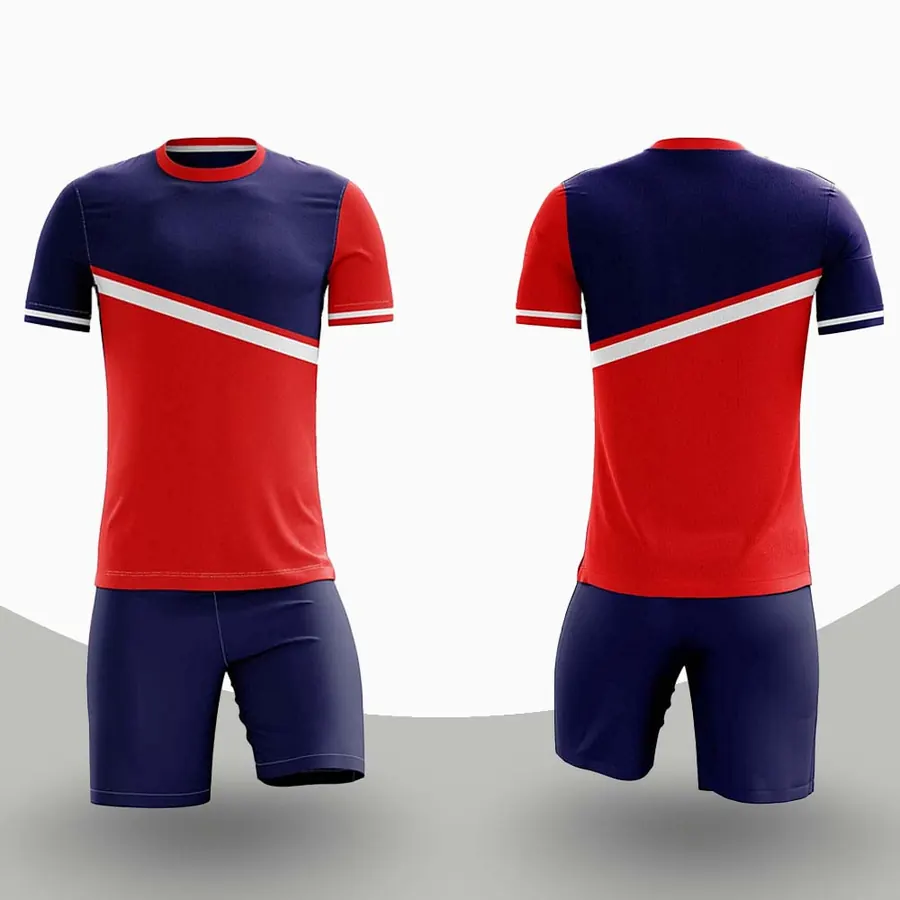
Questions we get asked
Is a reversible really cheaper than two jerseys?
Per player, usually yes, and it halves what a squad has to carry. It is not cheaper than one jersey, and a program that genuinely only needs one colourway should buy one colourway.
Does it wash like a normal jersey?
Yes — cold, inside out, no fabric softener, line dried. The bonding is not affected by ordinary washing; heat is what damages it, which is why a tumble dryer is the thing to avoid.
Can names go on a reversible?
On both faces if you want them, though most teams number both sides and name neither, since a reversible is usually the practice and squad garment rather than the presentation one.
Which sports do you make them for?
Basketball most, then football and soccer. Each of those has its own specialist site with the full range and the league detail for that sport.
Is a reversible really cheaper than two jerseys?
Per player, usually yes, and it halves what a squad has to carry. It is not cheaper than one jersey, and a program that genuinely needs only one colourway should buy one colourway.
Does it feel heavier than a normal jersey?
Not if it is made properly. Two layers of ordinary jersey fabric would be twice as warm and half as comfortable, so a reversible has to start from a lighter knit on both faces — a supplier not talking about fabric weight is gluing two shirts together.
How should it be washed?
Cold, inside out, no fabric softener, line dried. Ordinary washing does not affect the bonding; heat does, which is why the tumble dryer is the thing to avoid.
Can it carry names as well as numbers?
On both faces if you want them, though most teams number both sides and name neither — a reversible is usually the squad and practice garment rather than the presentation one.
Are reversibles allowed in competitive play?
Some leagues require a specific contrast between home and away, and a few permit reversibles at practice but not in matches. It is a five-minute check that occasionally changes the whole order.
Which sports do you make them for?
Basketball most, then football and soccer. Each of those has its own specialist site carrying the full range and the league detail.
Send us the roster, get a real quote
Sizes, colours and roughly when you need it is enough to work from. You get a written quote and a mockup in your colours before anything is committed, and the design brief on our step-by-step kit design tool covers the same ground if you would rather build it yourself first.
Prefer to talk? +1 213-449-3746, Monday – Saturday, 9:00 AM – 7:00 PM (PST).
Design it yourself
Build the brief for your reversible jerseys
Six short steps, no pricing and no account. The preview shows how your colours sit together; the real mockup comes back from our team on the actual garment, free, usually the same working day.
Keep looking