Cut and fabric, chosen for the conditions
Performance Jerseys — the cut and the fabric, chosen for the conditions
Mesh or interlock. Sleeveless, short or long. Lightweight or full weight. These are the jerseys where the decision is about conditions rather than design — a July camp and an indoor court in November want different garments, and the design can be identical on both.
Getting it wrong is the commonest reason a squad quietly stops wearing something. Nobody complains about a jersey that is too hot; they just leave it in the bag and train in whatever they brought.
Performance Jerseys in other colourways
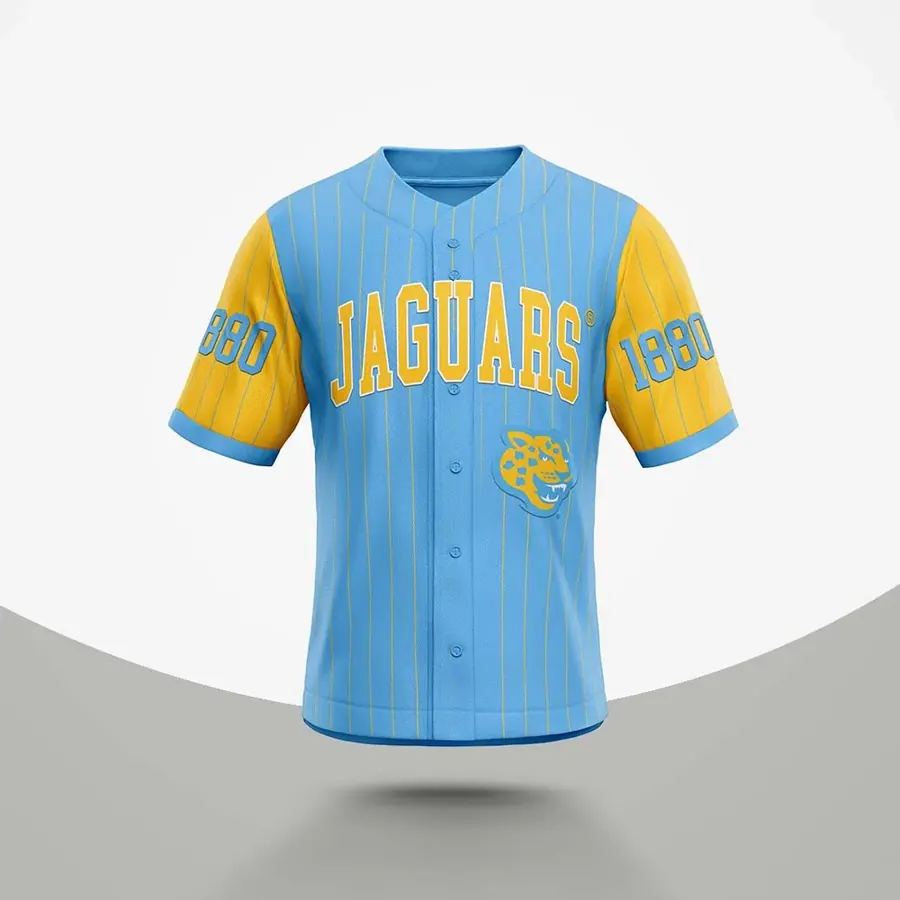
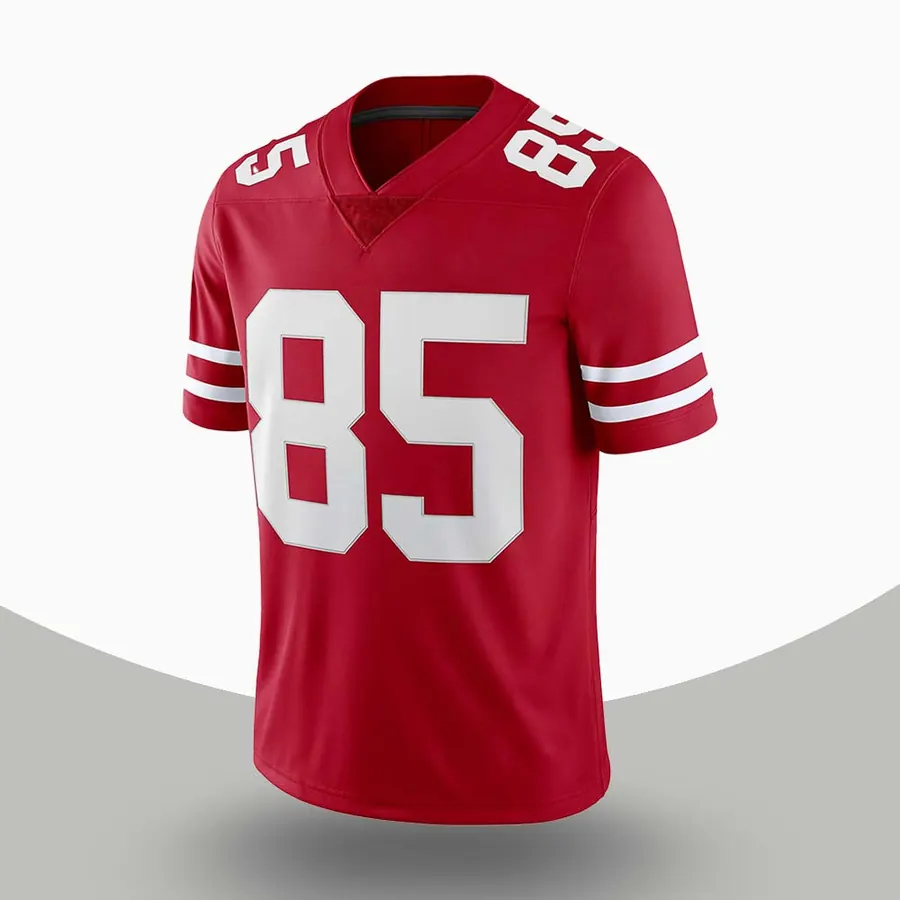
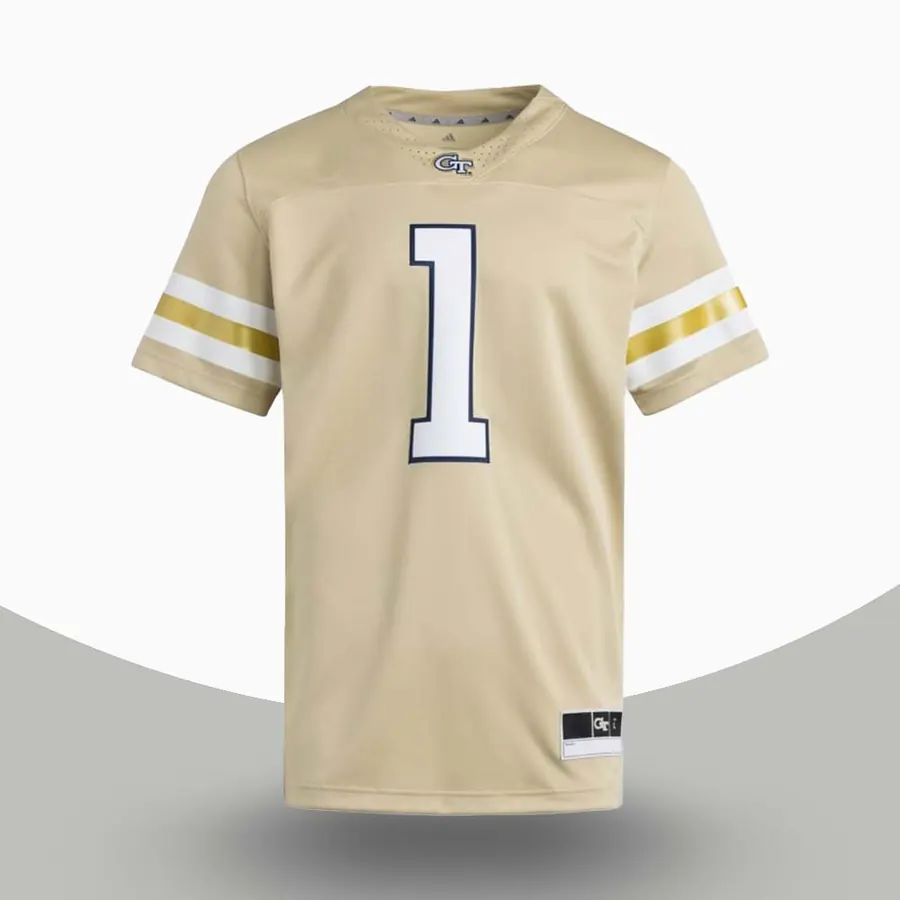
The same construction, made up in different colours. Yours is produced to your own design.
123 / 3
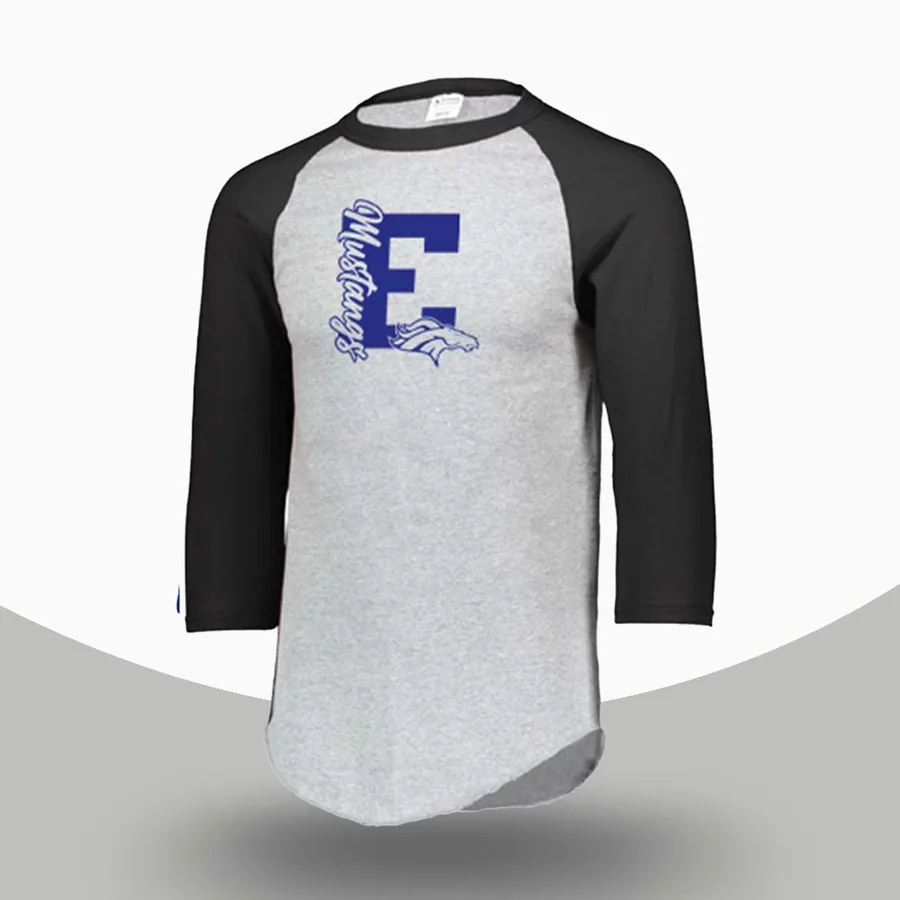
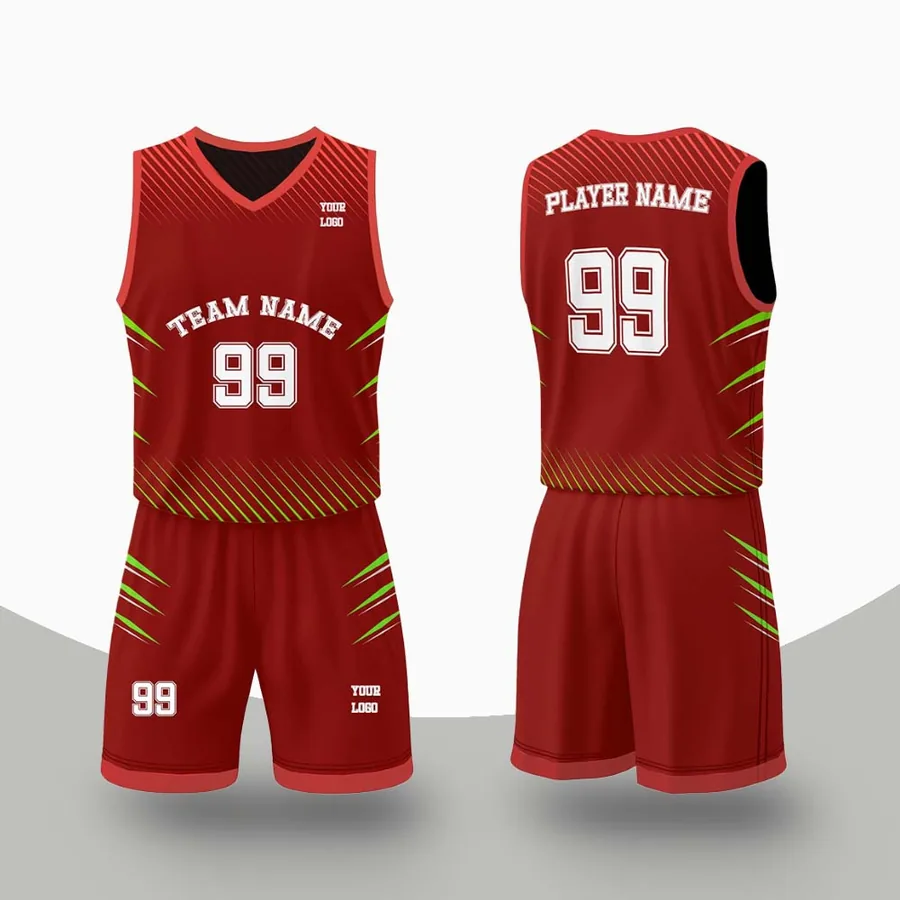
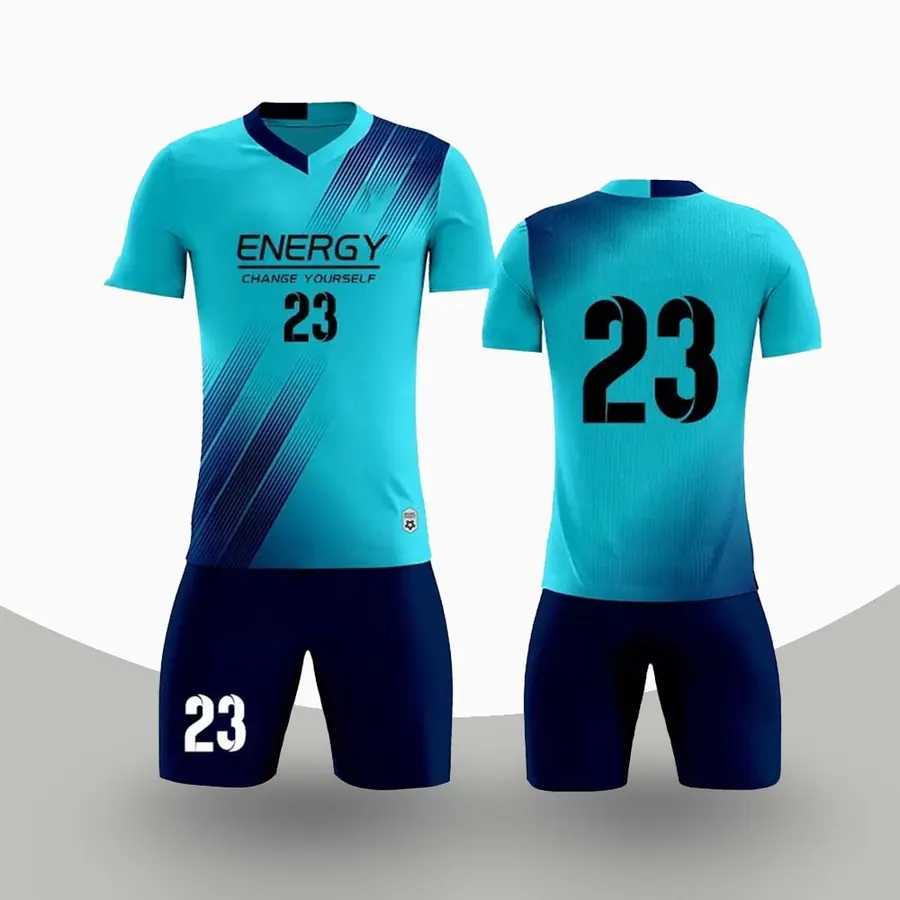
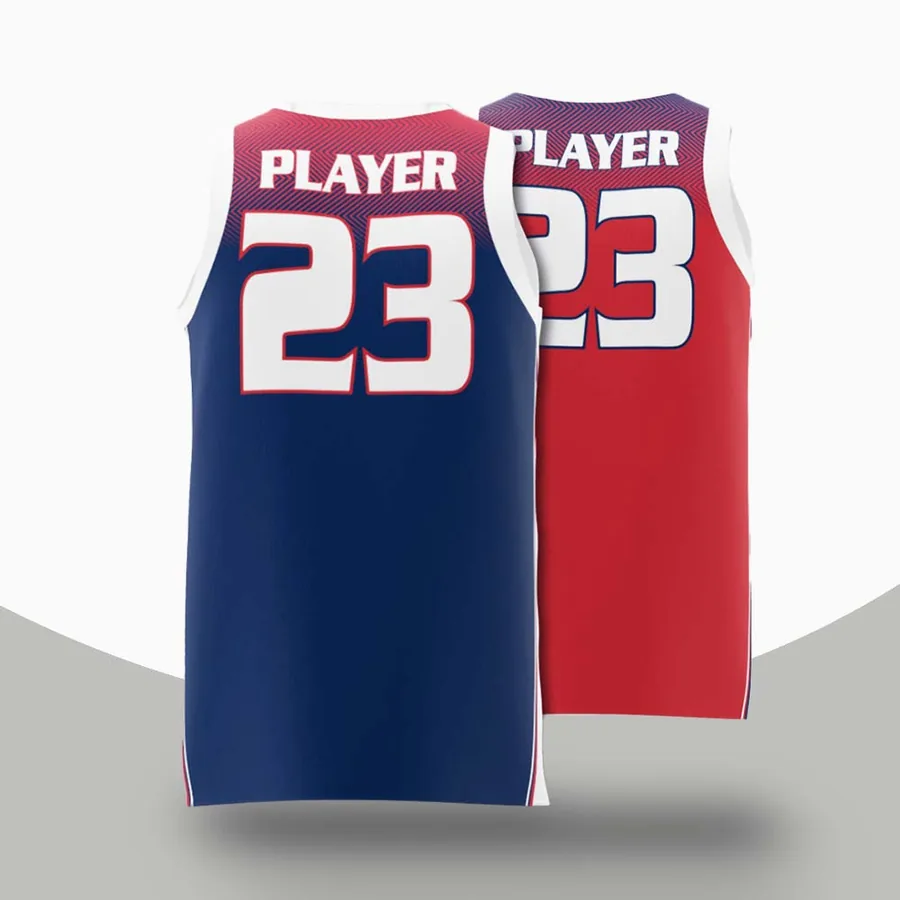
Product photographs from the ZEE Sports Wear range. Every order is made to the program's own colours and design.
The four choices, and what each one is actually for
Every garment on this page is one of these decisions made deliberately.
- Mesh
- Open knit, maximum airflow, and the fabric most exposed to abrasion. Right for heat; wrong anywhere the garment meets the ground regularly.
- Lightweight interlock
- Smoother than mesh and flatter under print, at some cost in airflow. The default where a design has to look sharp and the venue is not brutal.
- Sleeveless and tank
- Full shoulder movement and the coolest option. The armhole finish decides whether it chafes, which is why we bind rather than hem it.
- Long sleeve
- Cold venues, sun exposure, and sports where the forearm meets the floor. Adds weight, so it is specified rather than assumed.
- Moisture management
- A named, measurable finish through the whole body panel — not only under the arms, which is where a cheap spec puts it.
- Weight
- Grams per square metre. The single most useful number on a spec sheet, and the one that decides whether a garment survives contact or breathes on a warm court.
Airflow and abrasion pull in opposite directions
Every fabric decision on this page is a trade between the two. An open mesh moves air and gives the ground more to catch; a tight interlock survives the floor and holds heat. There is no fabric that wins both, and a supplier claiming one is describing a marketing name rather than a knit.
Which way to lean is decided by the venue, not by the sport. An indoor volleyball court is an abrasion problem as much as a heat problem, because the floor is the wear surface. An outdoor summer camp is almost purely a heat problem.
So the useful question is not "what is your best fabric" but "where is this worn, and how often does it meet the ground". The full walk-through is in the fabric guide.
Where the wrong choice shows up
Four failures that are specification mistakes rather than manufacturing ones.
Too hot, so unworn
A full-weight jersey issued for a summer camp gets worn once. Nobody reports it; the kit simply stays in the bag and the program concludes players do not look after things.
Mesh on the floor
An open knit specified purely for airflow, in a sport where the hip and forearm meet the court, loses at those points inside a season.
Chafing at the armhole
A sleeveless jersey with a stitched hem instead of a bound edge. Players identify it within one session and it cannot be fixed afterwards.
Wicking only under the arms
A cheap specification puts the moisture finish where a sample will be tested rather than through the body panel where it does the work.
One design, two specifications
The thing most programs do not realise is available: the same artwork can be produced on two different fabrics in one run. Game kit in the heavier interlock, practice kit in mesh, identical design, one setup and one dye batch.
It costs less than two orders and it removes the usual compromise — a single specification chosen to be tolerable in both conditions and ideal in neither.
It also keeps the two matching, which matters more than it sounds. Practice kit that reads as a different shade from game kit is the most common way a program ends up looking like two teams.
Baseball
What changes for baseball →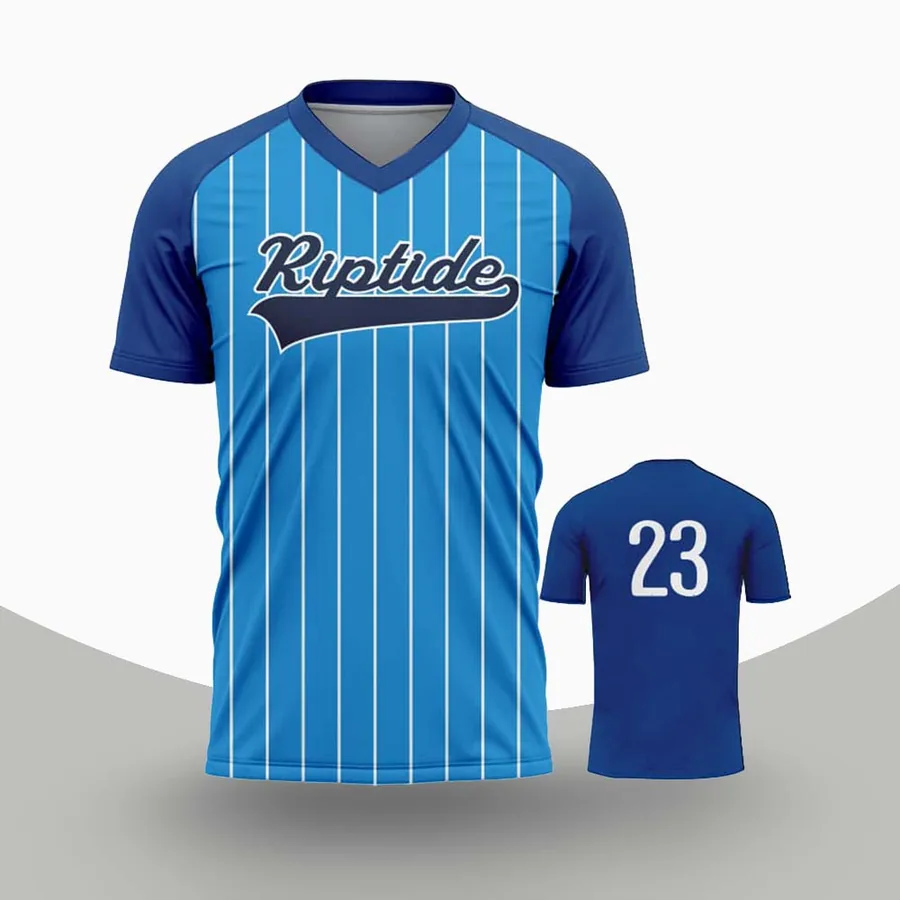
Basketball
What changes for basketball →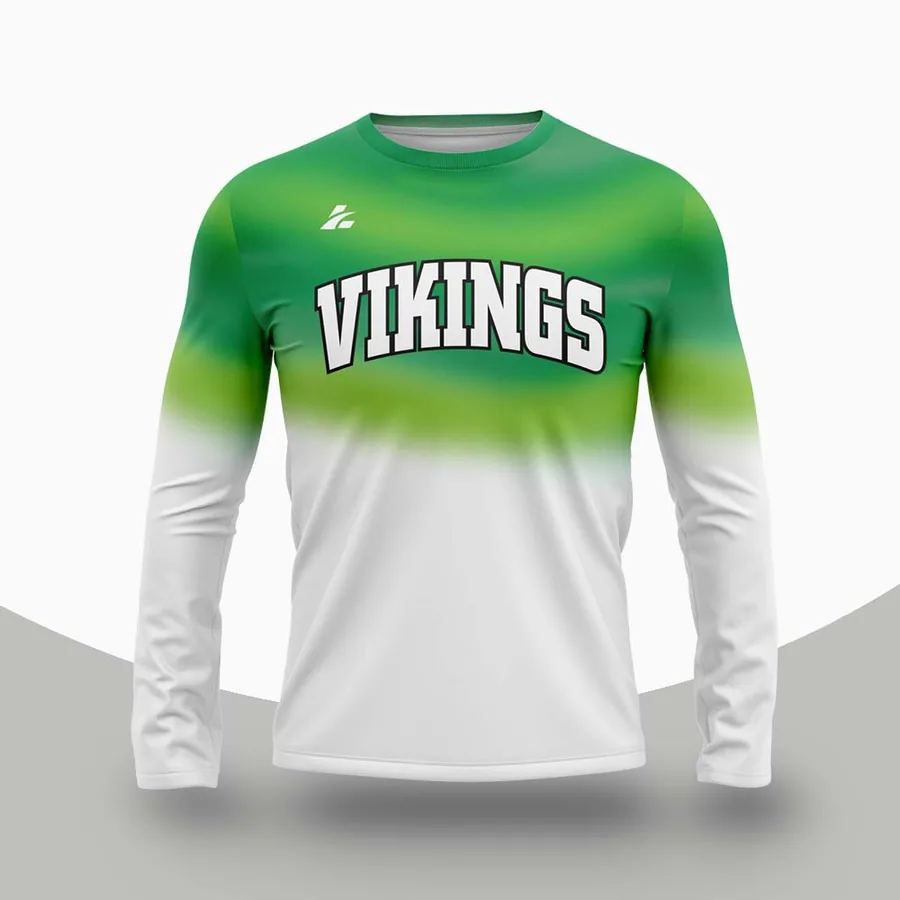
Long Sleeve Basketball Shirt
From $26.99 per piece · min 10
Long sleeve basketball shirts designed for players across Florida who need extended coverage and versatility in their athletic wear, perfect for cooler conditions, outdoor play with sun protection, or simply players who prefer the distinctive long-sleeve basketball aesthetic while maintaining all the performance features basketball demands. These long sleeve basketb
Ask about this →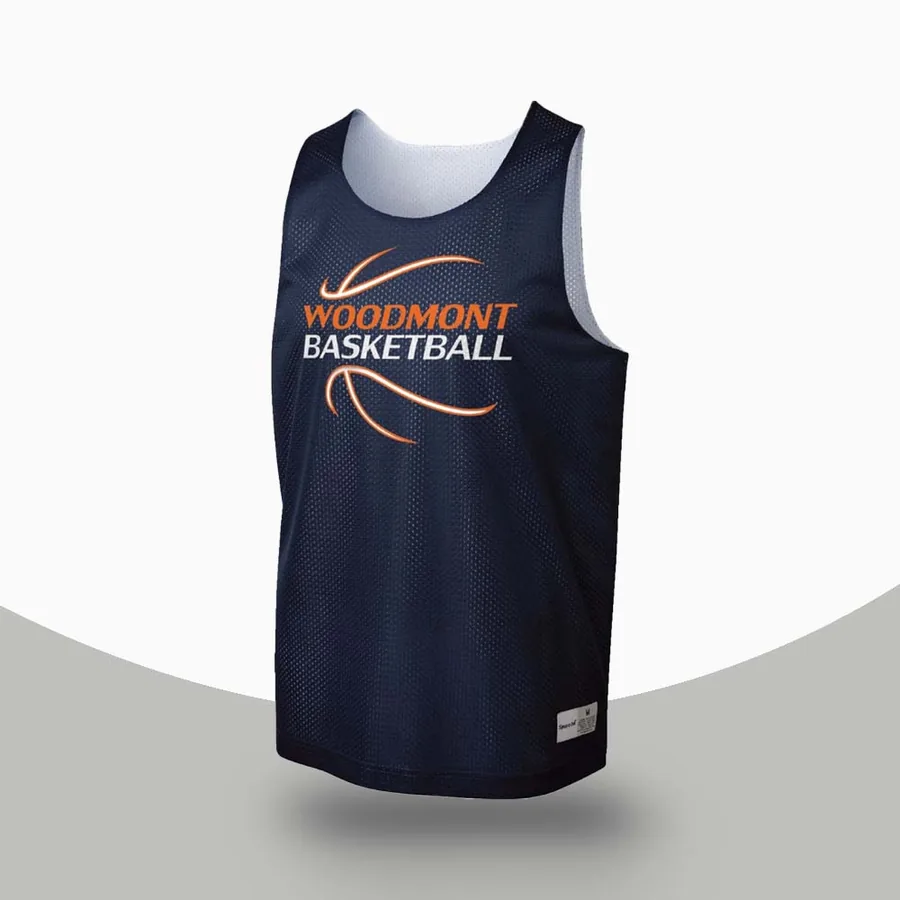
Mesh Basketball Jerseys
$31.99 per piece · min 10
Mesh basketball jerseys engineered specifically for maximum ventilation and cooling performance, featuring advanced mesh construction that provides superior airflow and breathability perfect for Florida's warm climate and intense basketball competition. These mesh jerseys use lightweight, open-weave materials that allow air to circulate freely while maintaining the
Ask about this →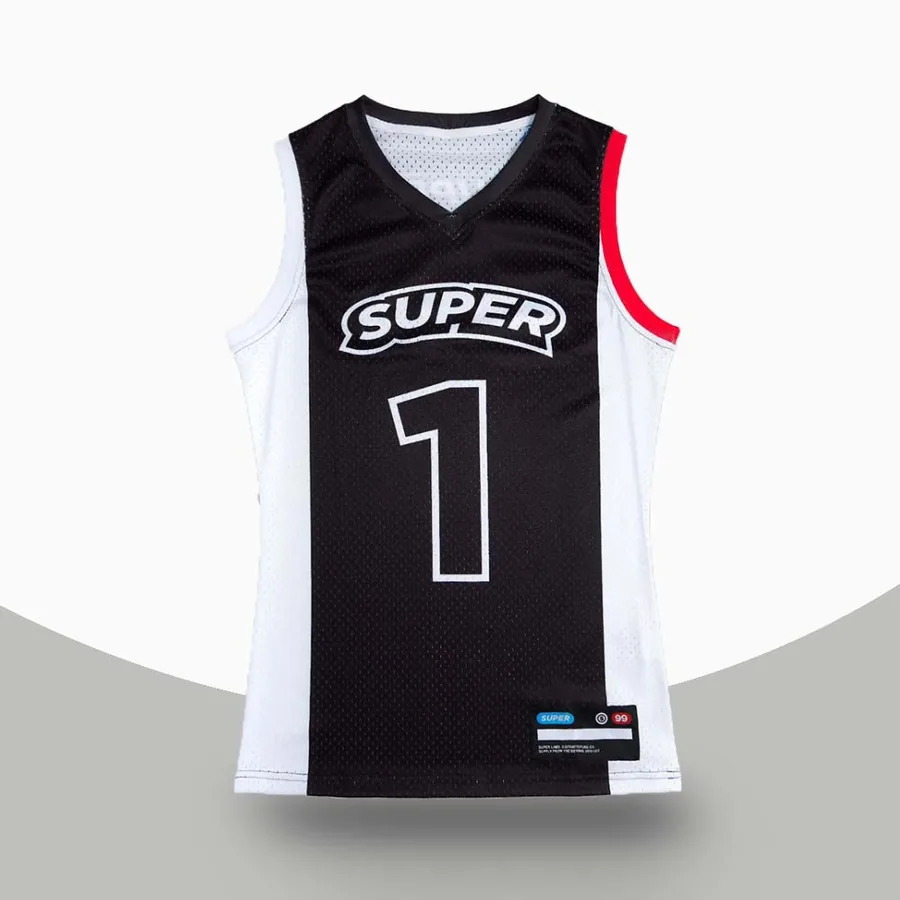
Mesh Basketball Tank Top
$31.99 per piece · min 10
Mesh basketball tank tops engineered specifically for maximum ventilation and cooling performance, combining the classic sleeveless tank top benefits with advanced mesh construction that provides superior airflow and breathability perfect for Florida's warm climate and intense basketball competition. These mesh tank tops use lightweight, open-weave materials that al
Ask about this →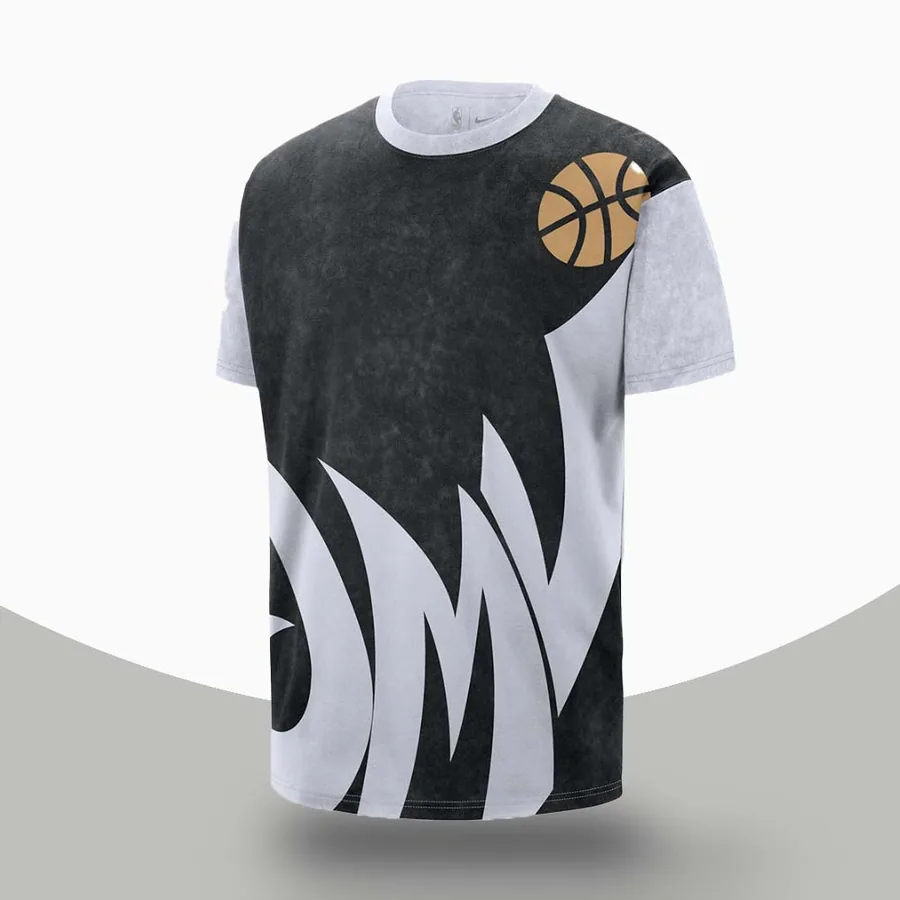
Moisture Wicking Basketball Shirt
From $26.99 per piece · min 10
Moisture wicking basketball shirts engineered specifically for Florida's demanding climate and intense basketball action, featuring advanced moisture management technology that pulls sweat away from the body and facilitates rapid evaporation to keep players dry, comfortable, and focused during the most challenging conditions. These high-performance shirts use specia
Ask about this →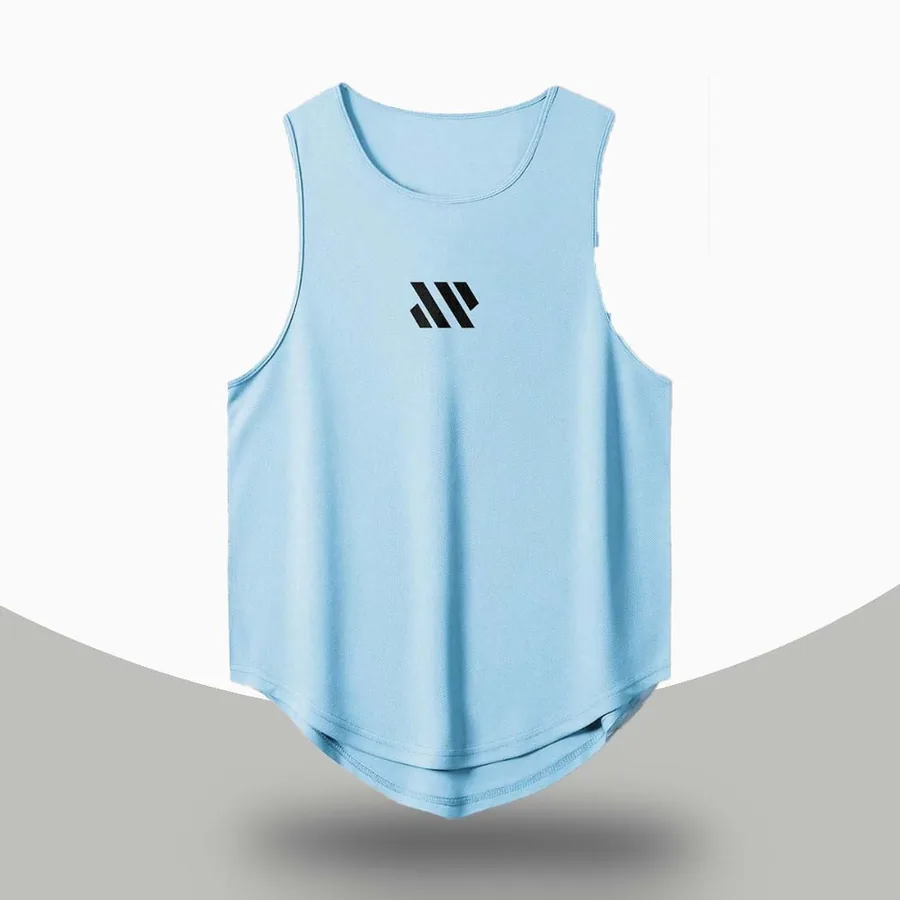
Performance Basketball Tank Top
$31.99 per piece · min 10
Performance basketball tank tops engineered with advanced athletic technology for players across Florida who demand maximum functionality combined with the classic sleeveless tank top aesthetic, providing elite performance features while maintaining the freedom of movement and superior cooling that make tank tops popular among serious basketball players. These perfo
Ask about this →Football
What changes for football →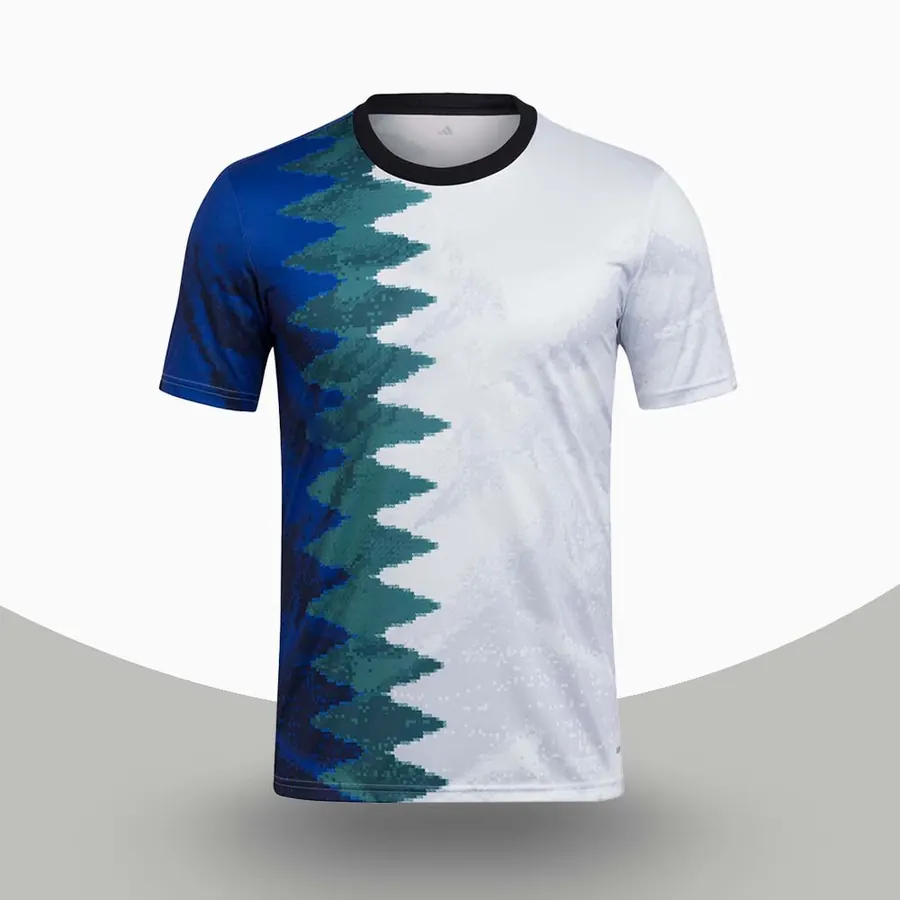
Questions we get asked
Mesh or interlock — which should we choose?
Mesh for heat, interlock where the garment meets the ground or where a design has to look sharp. There is no fabric that does both; anything claiming to is describing a marketing name rather than a knit.
What does GSM mean and why does it matter?
Grams per square metre — the fabric weight. It is the single most useful number on a specification, because it decides whether a garment survives contact or breathes on a warm court.
Is a higher GSM better?
No, and this is the most common misreading. Higher is more durable and hotter. A volleyball shirt built to football weight is a bad volleyball shirt. The right weight is the one matched to the sport.
Why does the armhole finish matter on a sleeveless jersey?
Because it is where the garment chafes. We bind the edge rather than hem it, and players identify the difference within a single session — it is the fastest way to tell a well-made jersey from a cheap one.
Do you make long-sleeve versions of the same design?
Yes, from the same pattern and the same dye lot. A squad that splits by weather should not split by shade, which is what happens when the long-sleeve order goes in three months later.
What is a real moisture-wicking finish?
One that is named and measurable, applied through the whole body panel. A finish described only as "premium" is a marketing word sitting on a technical document.
Can we have game kit and practice kit in different fabrics?
Yes, and it is the best-value thing on this page: the same artwork on two fabrics in one run. One setup, one dye batch, and the two sets match — which they do not when practice kit is bought separately.
Will a lighter fabric last a season?
Yes if it is specified for the venue. Lightweight is not the same as flimsy — what fails early is an open knit put somewhere the garment meets the ground, not a light garment as such.
Does fabric affect how the print looks?
Yes. Mesh reflects less light than a smooth interlock, so the same dye reference reads darker on it. That is why a mockup should be shown on the fabric you have actually chosen.
How do we decide without handling it?
You should not have to. Ask for the fabric in your hand before you commit — and if we have an older garment in the same material, ask for that too. A two-year-old sample answers what no specification can.
Send us the roster, get a real quote
Sizes, colours and roughly when you need it is enough to work from. You get a written quote and a mockup in your colours before anything is committed, and the design brief on our step-by-step kit design tool covers the same ground if you would rather build it yourself first.
Prefer to talk? +1 213-449-3746, Monday – Saturday, 9:00 AM – 7:00 PM (PST).
Design it yourself
Build the brief for your performance jerseys
Six short steps, no pricing and no account. The preview shows how your colours sit together; the real mockup comes back from our team on the actual garment, free, usually the same working day.
Keep looking